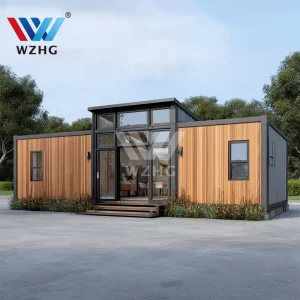
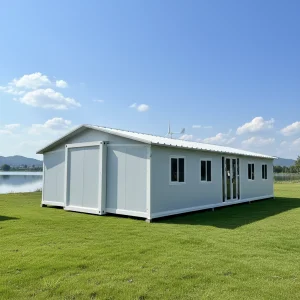
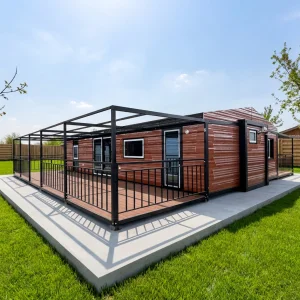
Engineered to comply with Eurocodes, optimized for transport, and designed for immediate deployability across Serbia and the Balkans region.
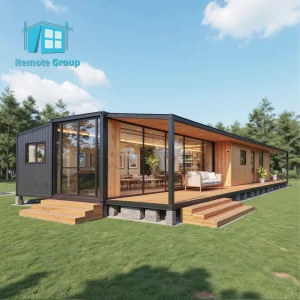
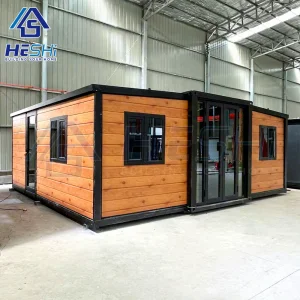
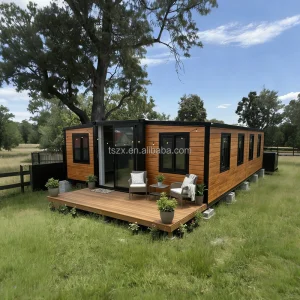
Delivering high-durability, customizable structural designs engineered for Central & Eastern Europe's climatic fluctuations.
Hangzhou Cencal Home Co., Ltd. stands as a premier Chinese manufacturer specializing in high-performance expandable houses, foldable container homes, modular prefabricated buildings, and customized portable structures. By bridging state-of-the-art Chinese manufacturing efficiencies with localized Serbian building guidelines, we cater directly to real estate developers, industrial operations, agricultural enterprises, and humanitarian missions across major hubs including Belgrade, Novi Sad, Niš, and Kragujevac.
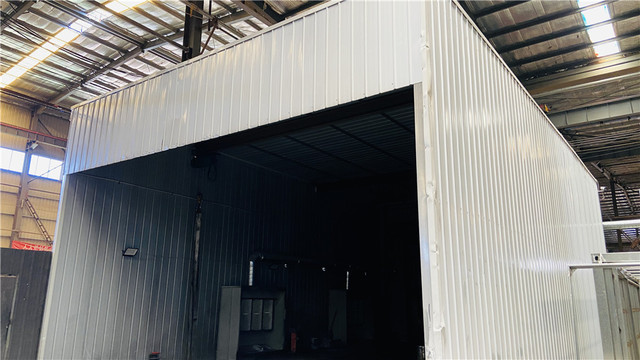
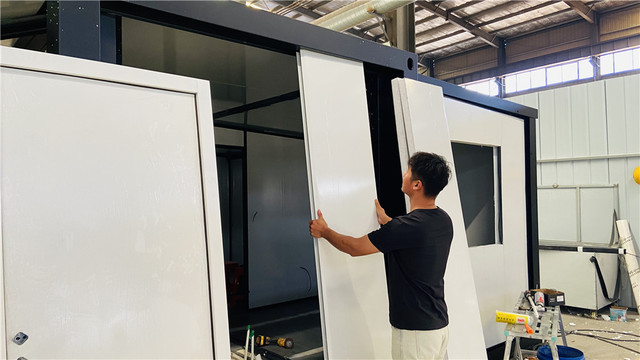
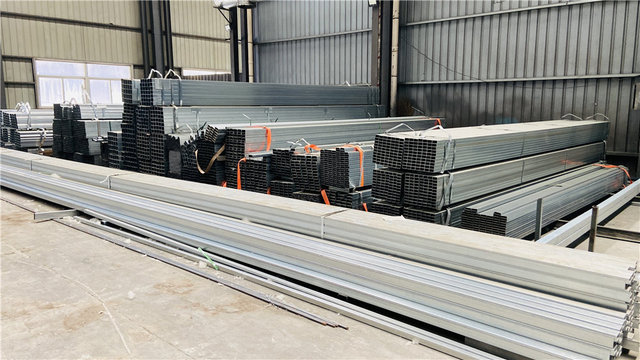
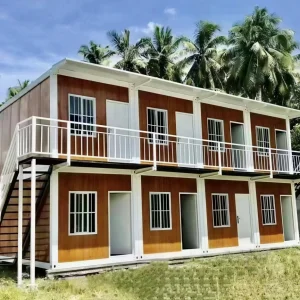
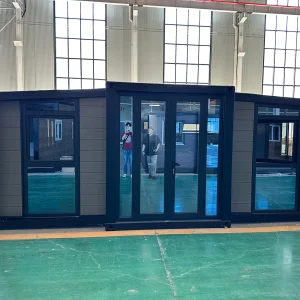
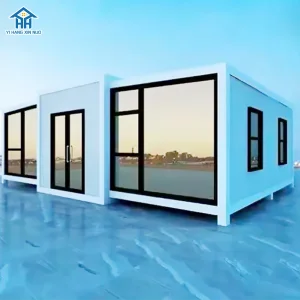
Our complete structural systems are prefabricated off-site in our advanced manufacturing plants, allowing for rapid containerized shipping and assembly in a matter of hours. From luxury 3-bedroom expandable tiny homes to scalable steel-frame modular site complexes, we utilize heavy-duty hot-dip galvanized steel frames combined with premium polyurethane (PU) or rockwool sandwich panel insulation. This ensures high structural integrity, superior thermal barrier metrics, and excellent fire resistance—vital components for Serbia's strict winter climate and hot summer cycles.
Structural framework engineered using high-grade galvanized steel, capable of withstanding local seismic shifts and high snow load factors across the Balkan regions.
Equipped with high-density polyurethane or rockwool sandwich panels complying with European building energy-efficiency requirements.
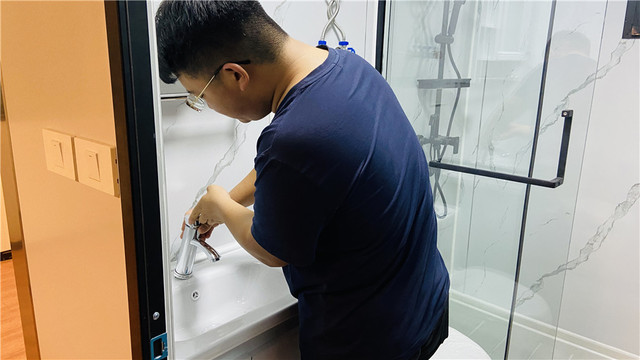
Pre-installed wiring, customized plumbing systems, pre-fitted kitchenettes, and modern bathroom units ready for direct local utility connections upon unfolding.
Serbia is experiencing a significant infrastructure and industrial revitalization. Major developments, including the Belgrade Waterfront, new industrial zones, regional transport networks, and expanding mining operations in regions such as Bor and Majdanpek, have created a spike in demand for rapid-assembly structural units. Traditional construction is facing bottlenecks due to labor shortages, rising material costs, and extended permit delays. Portable expandable houses address these challenges directly by shifting up to 90% of the build process to controlled factory environments.
Global logistics and economic shifts have elevated the necessity of modular structures. Today, modular construction is no longer treated as a temporary fallback option. Instead, it serves as a high-density, long-term capital investment. For Serbian companies, this transition translates to minimized site footprint disruption, accelerated tax amortization benefits, and high adaptability. If a project phase concludes or a factory site needs relocation, these expandable houses can be folded back into standard shipping dimensions and transported to a new location with minimal resource expenditure.
The global portable housing sector is shifting toward extreme structural flexibility. As a direct result, modular production centers in China—spearheaded by innovators like Hangzhou Cencal Home Co., Ltd.—have integrated robotics, standardized manufacturing workflows, and bulk raw material sourcing. By utilizing our consolidated supply chains, we pass significant cost benefits directly to Serbian contractors.
Standard building assemblies in Western Europe can exceed €1,500 per square meter, but Cencal Home's expandable configurations lower those costs substantially while meeting strict structural requirements. This cost-competitiveness allows developers in Southeast Europe to scale up regional operations, build spacious employee accommodation villages, and design modern eco-resorts with faster pathways to profitability.
Entering the Serbian market requires a thorough understanding of local regulatory frameworks, including the Serbian Rulebook on Energy Efficiency of Buildings (Pravilnik o energetskoj efikasnosti zgrada) and the SRPS EN European structural design standards (Eurocodes). Cencal Home ensures that our global designs are customized to meet local municipal requirements:
Specialized portable, scalable designs for commercial, wellness, and high-speed emergency setups in Serbia.
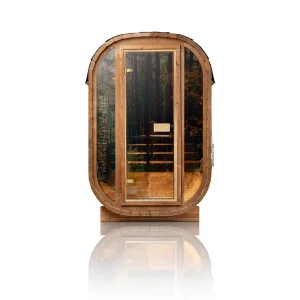
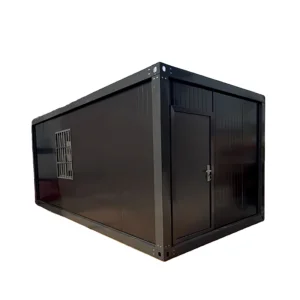
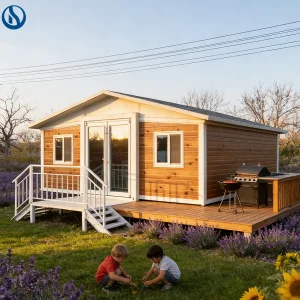
The versatility of Cencal Home’s modular expandable building systems makes them ideal for several high-growth industries in Serbia:
In regions such as Bor, Zaječar, and Majdanpek, the rapid influx of engineering personnel requires fast-build, robust, and clean living quarters. Our heavy-duty insulated expandable homes serve as excellent multi-bedroom staff dormitories and site headquarters, designed to withstand remote, demanding conditions.
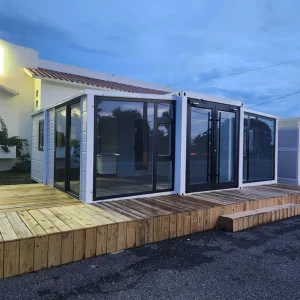
Serbia's eco-tourism sector is booming. Tourism operators along the Djerdap Gorge, Zlatibor, and Kopaonik can place luxury modular villas in pristine nature reserves without pouring heavy concrete foundations. These minimal-impact units feature modern interior finishes and glass facades to maximize scenic views while preserving the environment.
As logistics parks expand near Belgrade and Novi Sad, developers need on-site administration offices, security posts, and driver resting quarters. Our expandable structures are deployed in hours, pre-wired, and fully fitted with HVAC cutouts, presenting a professional corporate environment immediately.
Across the agricultural regions of Vojvodina, seasonal crop monitoring and crop-processing sites require secure, insulated, and relocatable cabins for managers and workers. These portable houses provide protection from summer heat and winter frost, and they can be stored off-season to minimize depreciation.
At Hangzhou Cencal Home Co., Ltd., we are continually refining our product lines to align with the future of sustainable architecture. Our R&D teams are focusing on four key technical areas:
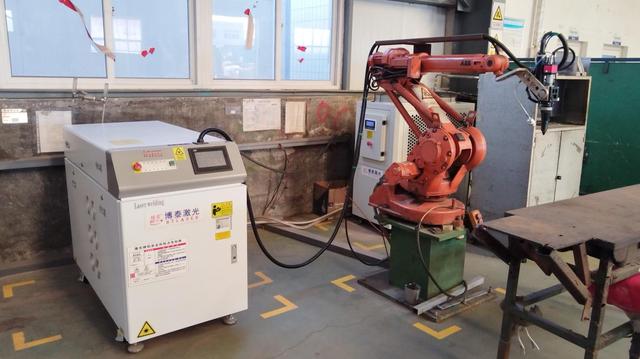
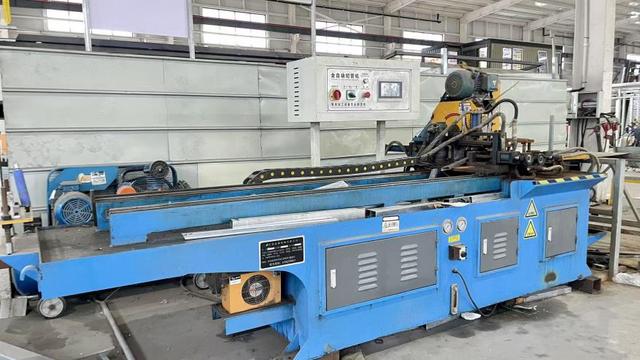
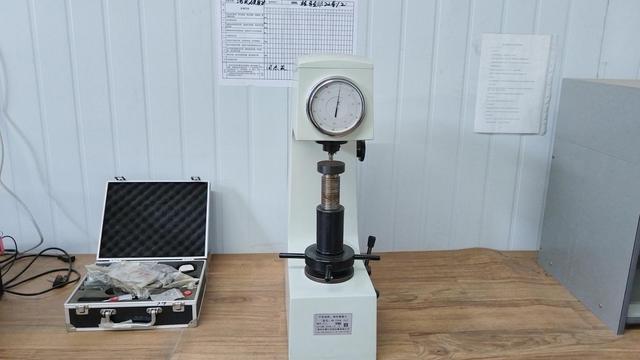
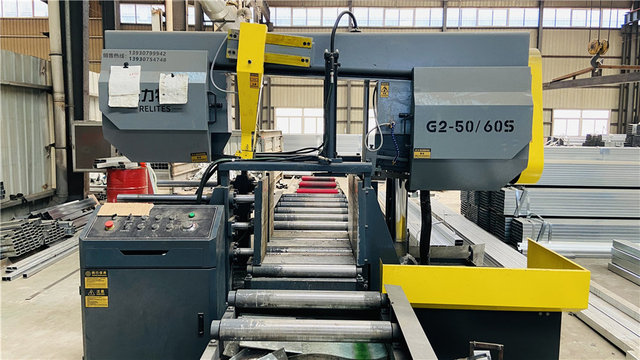
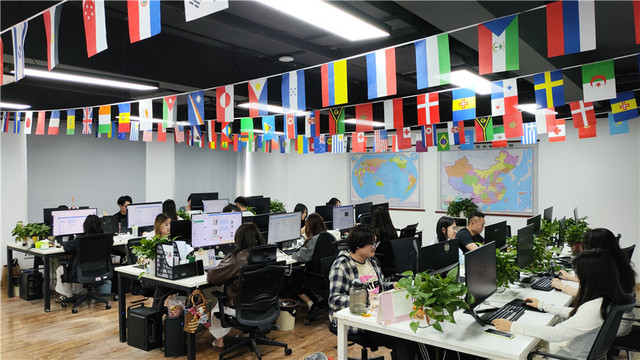
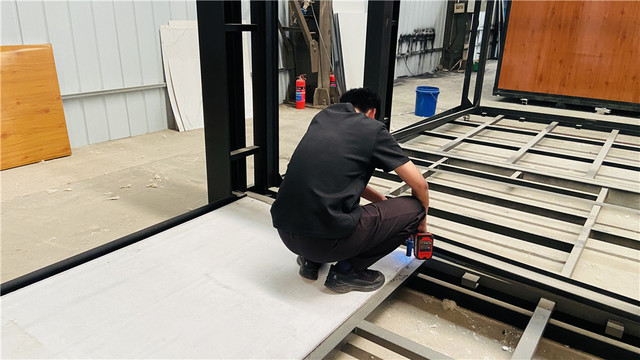
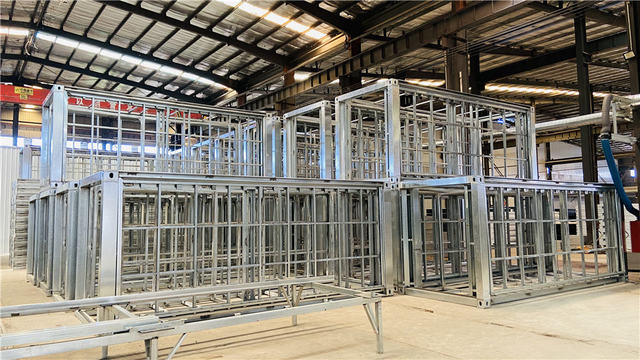
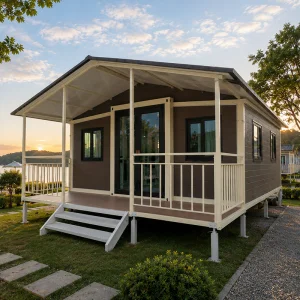
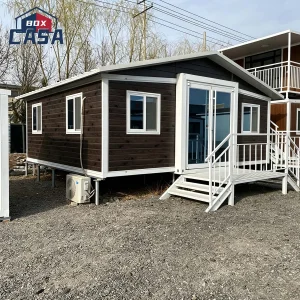
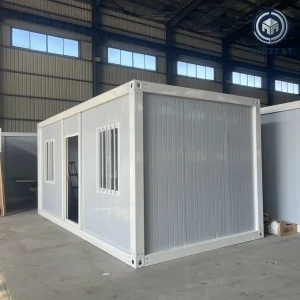
Explore our core product line featuring reinforced frame structures, hurricane-resistant engineering, and custom dimensions.
Get answers to the most common structural, logistic, and compliance questions regarding our expandable houses in Serbia.
 Cencal Home