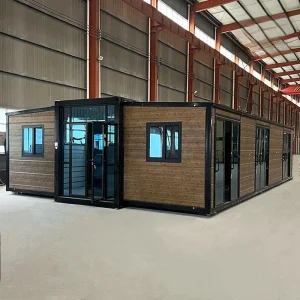
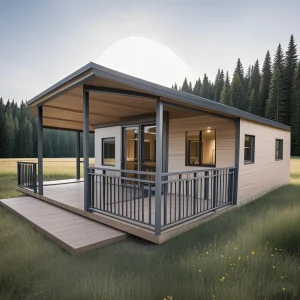
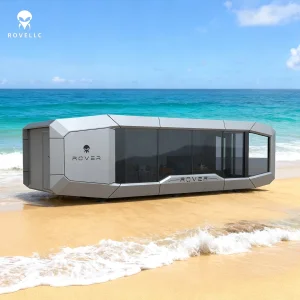
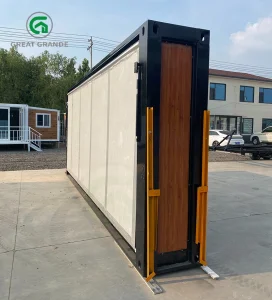
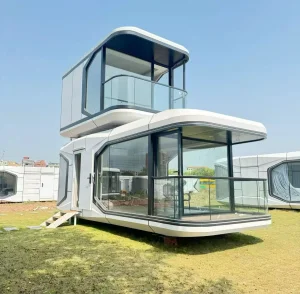
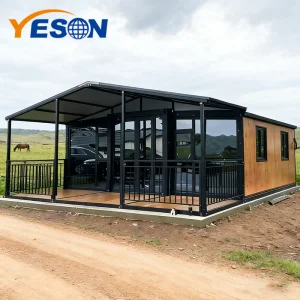
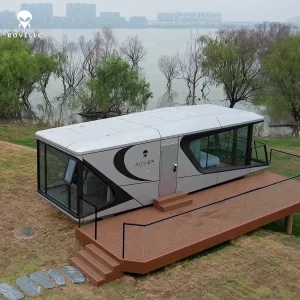
Engineered to deliver exceptional thermal insulation, modular agility, and structural resilience for immediate deployment in Alberta.
Calgary, Alberta sits at the epicentre of a critical convergence: rapid demographic growth and a shifting macroeconomic landscape. Known for its strong connections to the energy sector, tech development, and logistics, the Calgary Metropolitan Area is experiencing unprecedented net migration. This population boom has strained conventional construction pipelines, rendering traditional stick-built housing methods too slow and financially prohibitive. Here, Expandable Mobile Living Units offer a viable path forward.
In Calgary's urban limits, policy initiatives like the local Housing Strategy are actively reshaping zoning. The city is streamlining approvals for Accessory Dwelling Units (ADUs), backyard suites, and multi-residential additions. By integrating modular living spaces, property owners can bypass long project delays. Additionally, outside the urban core, Calgary serves as a logistics hub for resource development across Northern Alberta. Expandable living units provide an agile, comfortable solution for field housing, remote operations, and utility workspaces.
Calgary zoning shifts permit secondary suites. Our expandable structures offer a rapid, low-disruption path to rental income and intergenerational housing.
Designed for rapid mobilization to oil, gas, and renewable construction sites, providing comfortable housing in challenging environments.
Allows municipal planners and NGOs to deploy rapidly during cold-weather housing crises or disaster recovery scenarios.
Calgary is classified under Climate Zone 7A/7B of the National Energy Code for Buildings (NECB). With winter temperatures dropping below -30°C and severe wind and hail conditions, modular units must meet strict engineering standards. Conventional container units fail here without cold-climate structural upgrades. Our expandable units are designed to meet these challenges through specific cold-weather details:
Our team works directly with Albertan field engineers to ensure foundations, snow load ratings, and electrical configurations meet local safety regulations.
Send Inquiry NowBased in the manufacturing hub of Hangzhou, China, Hangzhou Cencal Home Co., Ltd. utilizes localized supply networks, robotic steel fabrication, and high-efficiency assembly processes. Compared to regional North American fabricators, our factory-integrated model optimizes costs, maintains strict quality control, and shortens project schedules.
From initial design to finished product, Cencal Home employs structural steel frames that are hot-dip galvanized for corrosion resistance. This is vital for Calgary’s variable climate, where freeze-thaw cycles can degrade lesser steel structures. We coordinate transportation through established logistics channels from Ningbo or Shanghai ports directly to the Port of Vancouver, followed by CP or CN Rail lines directly into Calgary's intermodal terminals. This keeps shipping schedules reliable and predictable.
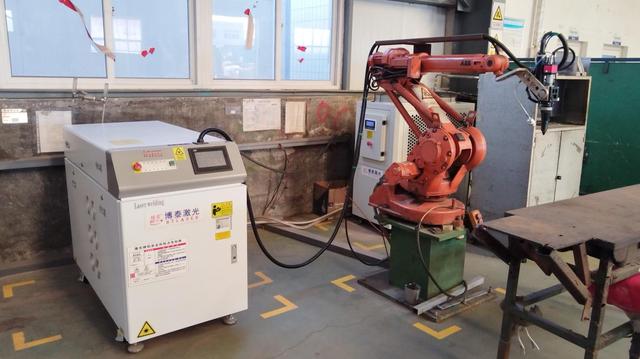
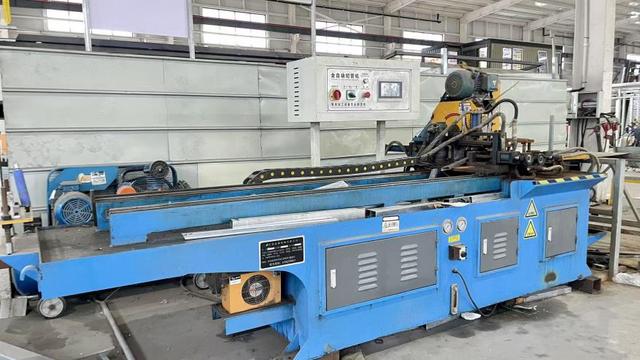
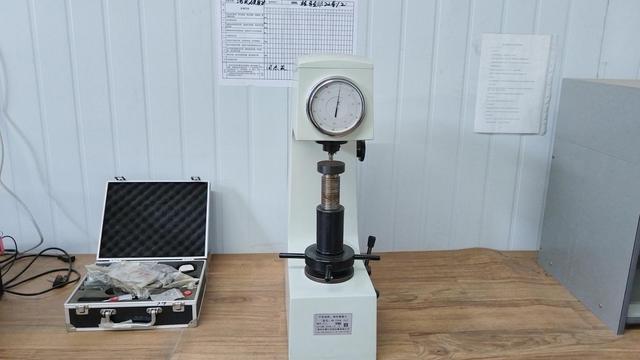
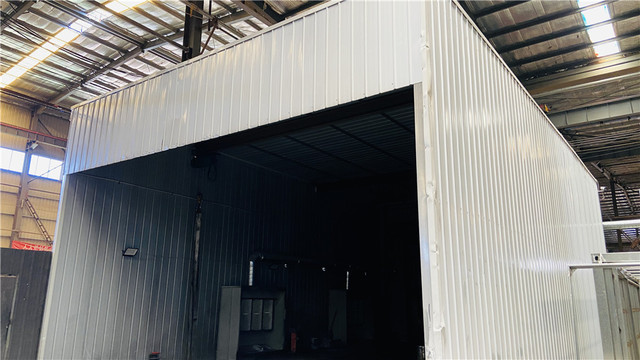
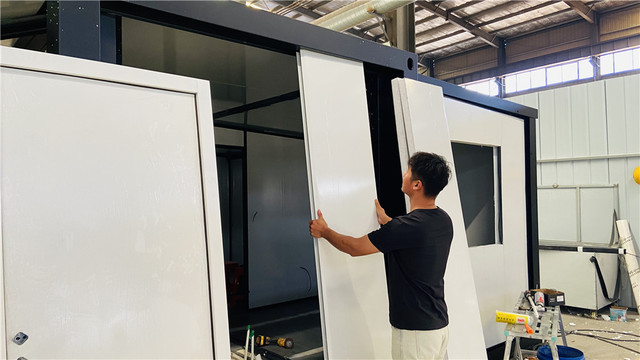
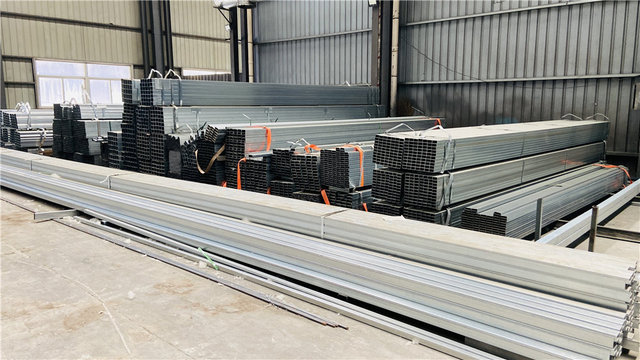
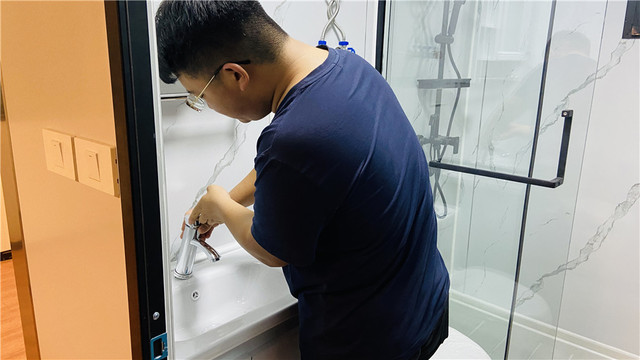
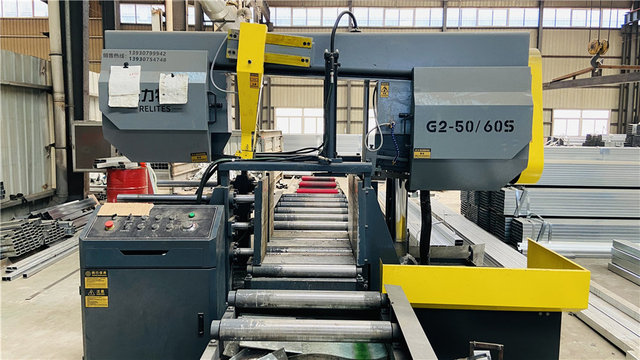
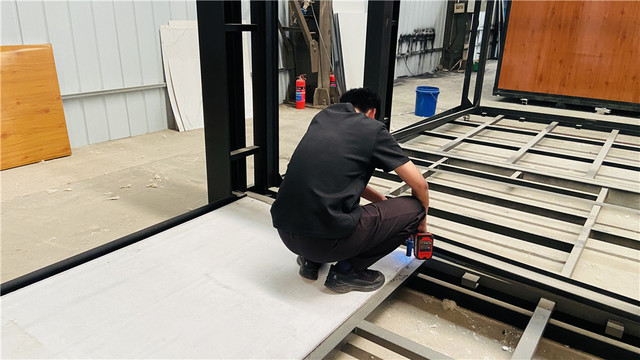
Our factory features over 15,000 square meters of dedicated production space, allowing us to manage large multi-unit orders for commercial developers, mining camps, and humanitarian projects. By integrating architectural design, electrical and plumbing work, and final QA inspection in a single facility, we deliver ready-to-assemble units directly to your site.
As the construction industry shifts toward sustainable practices, the technological path of expandable housing focuses on energy independence and smart building technology. In Calgary’s cold climate, this means moving toward net-zero ready mobile homes that generate their own power and heating.
Our research and development pipeline focuses on: Thin-Film Building Integrated Photovoltaics (BIPVs) on roof structures to optimize solar collection in winter; Vacuum Insulation Panels (VIPs), which double thermal performance without adding thickness to fold-out walls; and Smart Home Integration, featuring low-draw radiant heating, automated air exchange sensors, and remote monitoring of electrical and water systems. These updates help ensure performance in extreme winter environments.
A key aspect of importing modular structures into Alberta is meeting the Alberta Building Code (ABC). The City of Calgary requires structures used for long-term residential housing to be certified to local standards.
For mobile and relocatable homes, the critical benchmarks are CSA A277 (Procedure for certification of prefabricated buildings, modules, and panels) or CSA Z240 RV / Z240MH (for park models and mobile units). Our engineering division works with customers to customize plumbing, electrical wiring, and structural load calculations. This helps support certifications from accredited third-party testing agencies and streamlines approvals with Calgary municipal inspectors.

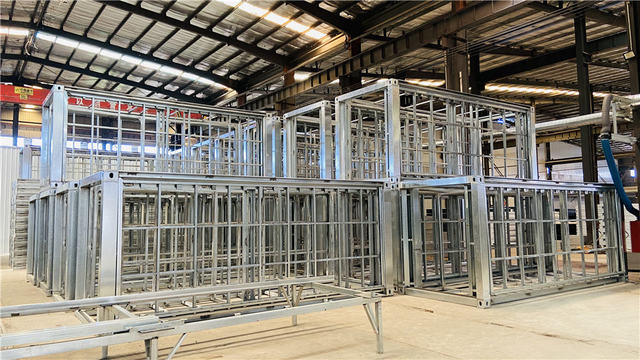
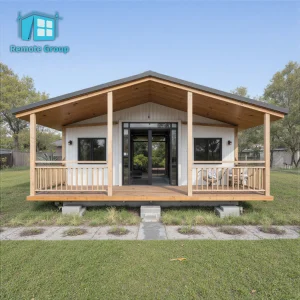
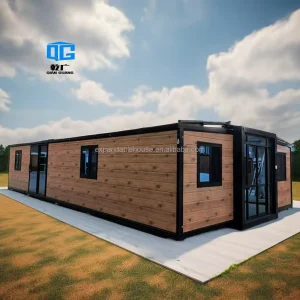
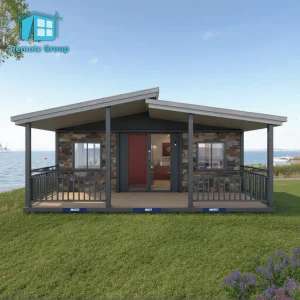
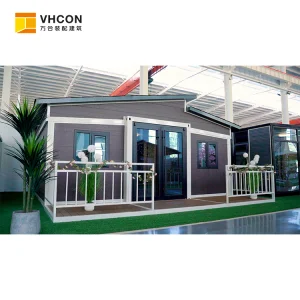
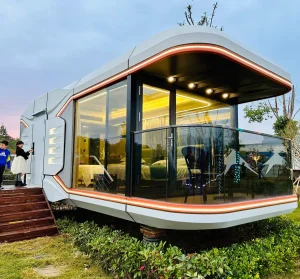
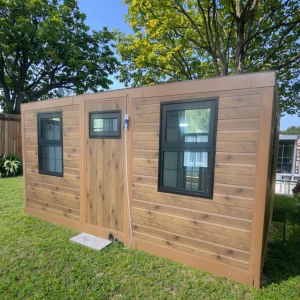
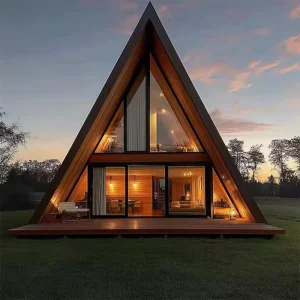
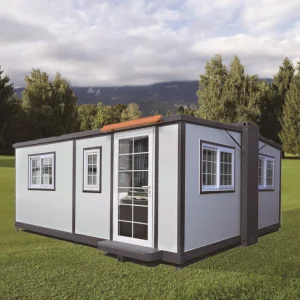
Select from our range of expandable villas, folding structures, and modular tiny homes built for cold climates.
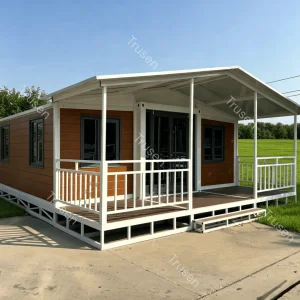
Key details regarding transport, building codes, foundations, and winter insulation performance.
Connect with our technical engineering division to configure structural framing, insulation values, and shipping options tailored to your Calgary project.
Send Inquiry Now Cencal Home