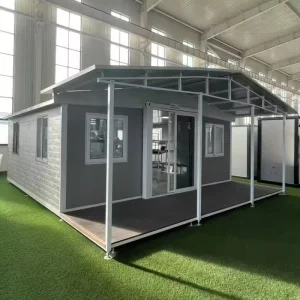
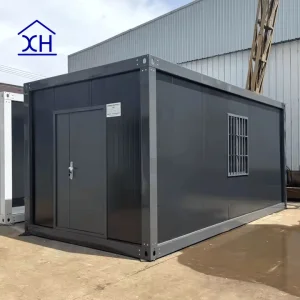
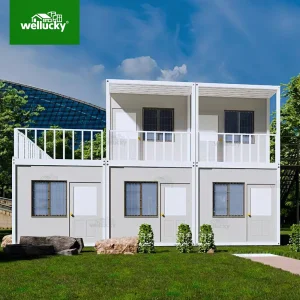
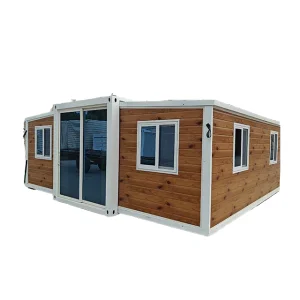
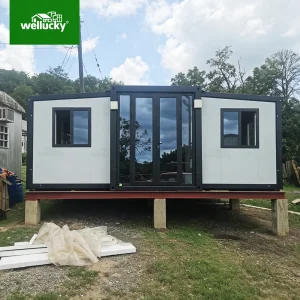
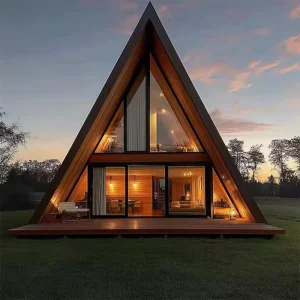
In the modern era of rapid B2B procurement and dynamic operational timelines, standard rigid event structures no longer meet the efficiency criteria of global event organizers, municipal carnival systems, and commercial exporters. As a pioneering force in modular prefabricated construction, Hangzhou Cencal Home Co., Ltd. specializes in designing and manufacturing top-tier structural solutions, including double-wing expandable container homes, modular classrooms, container clinics, and multi-functional expandable carnival booths.
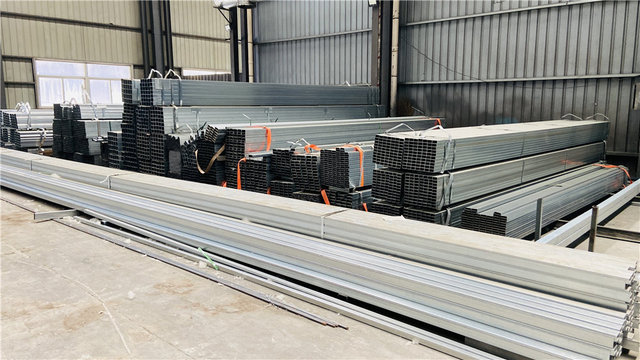
“Cencal Home integrates advanced modular technologies with localized structural compliance standards. By utilizing high-yield galvanized steel framing (Q235/Q345 structural grade) and precision-engineered double-wing hinges, we convert structural containers into dynamic, multi-functional spaces optimized for transport efficiency and structural resilience.”
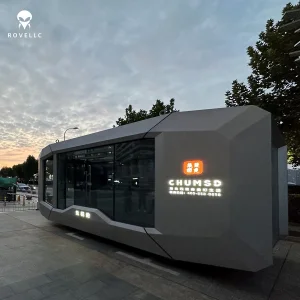
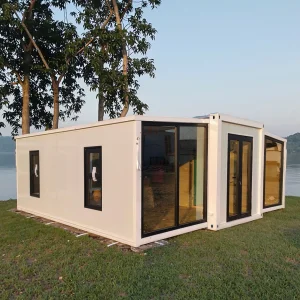
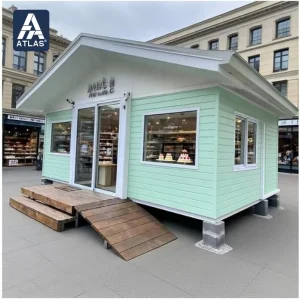
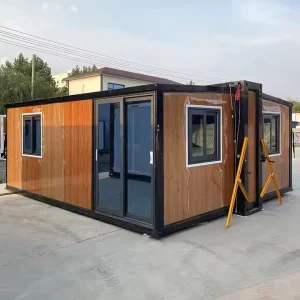
From temporary ticketing counters to high-end mobile event lounges, expandable carnival booths leverage double-wing folding mechanics to reduce transport space requirements. This allows up to four collapsed units to fit within a single 40HQ container, significantly reducing logistics and freight costs.
Global procurement teams face complex challenges, including supply chain disruptions, varying local building regulations, and structural integrity demands. Understanding the requirements of large-scale event networks helps Cencal Home tailor our OEM solutions to address these operational constraints:
Structural engineering that withstands up to Category 11 winds (110 km/h) and Grade 8 seismic activity, verified by structural load calculations.
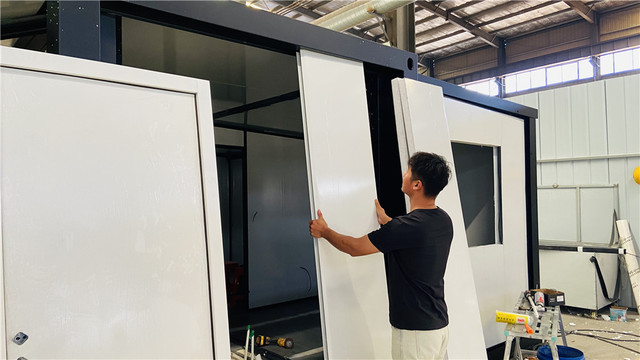
Dual-wing folding systems enable two workers to complete full structural deployment in under 2 hours without heavy industrial cranes.
Compact shipping volumes reduce transport costs, while durable, corrosion-resistant galvanized finishes lower long-term maintenance costs.
Cencal Home ensures high product durability by utilizing quality-assured steel alloys, standardized insulation cores, and weatherproof sealing systems:
For operations in challenging climates (such as the Middle East, Northern Europe, or tropical island regions), thermal performance is critical. Cencal Home products utilize high-density polyurethane (PU) core panels and double-glazed low-E glass windows to minimize thermal bridging. Our sealing system prevents rain ingress at the folding joints, protecting the interior even during heavy rainfall and high-pressure winds.
Exporting modular units requires adhering to regional building codes. Cencal Home supports compliance through customized engineering and localized standards alignment:
Electrical systems designed to meet UL/CSA standards, incorporating USA/Canada compliant breakers, outlets, and conduits.
Structures carrying CE certificates and conforming to Eurocode 3 steel design standards, ensuring hassle-free clearance at European ports.
Design parameters engineered to withstand regional wind speeds and terrain categories, compliant with building standards.
Our team works closely with local engineering consultants to supply complete structural packages, Foundation Load Guidelines, and plumbing/electrical schematic drawings for municipal approval processes.
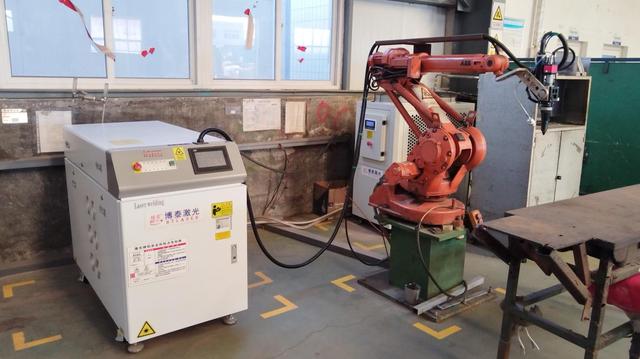
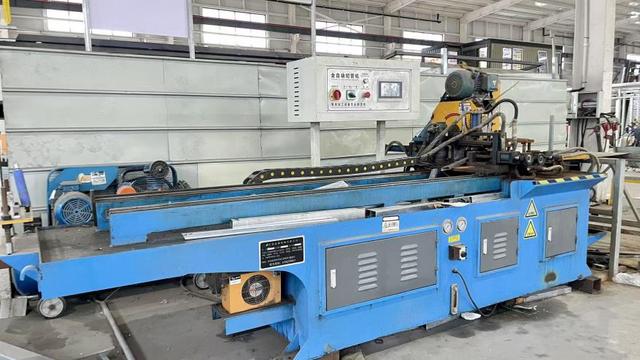
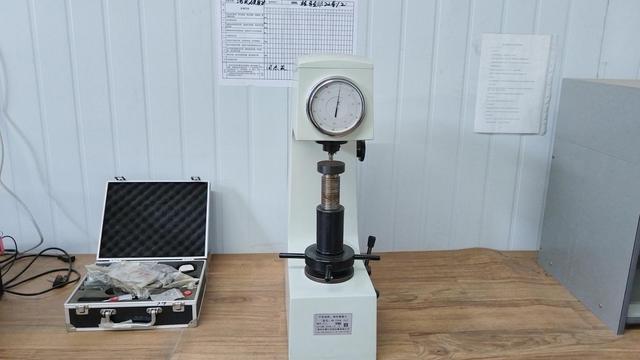
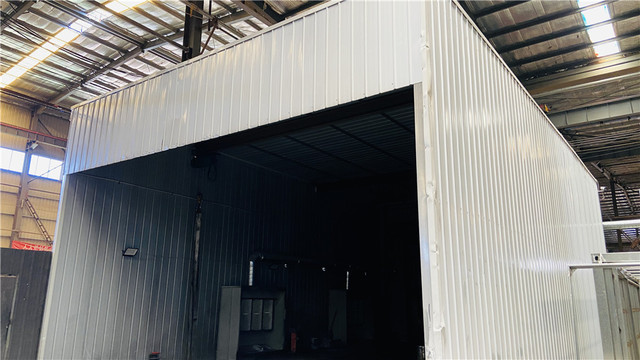
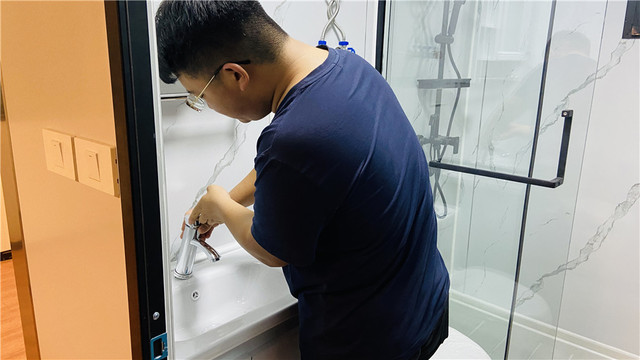
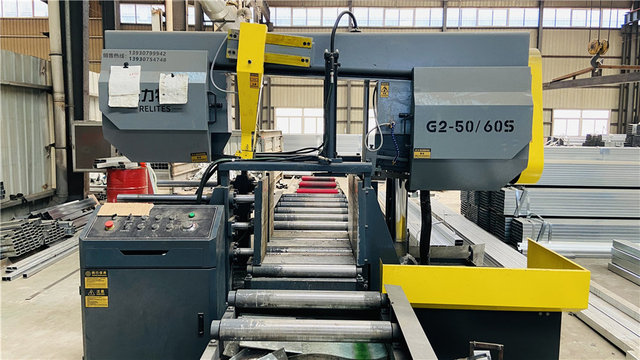
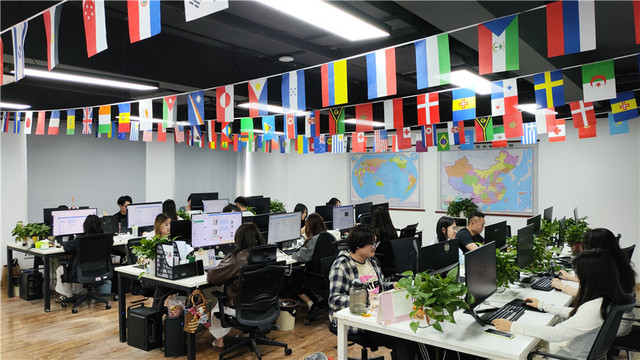
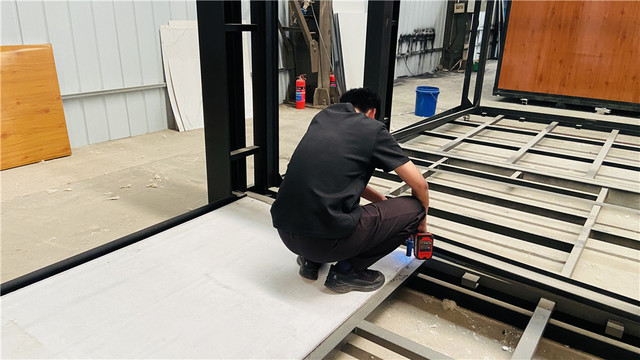
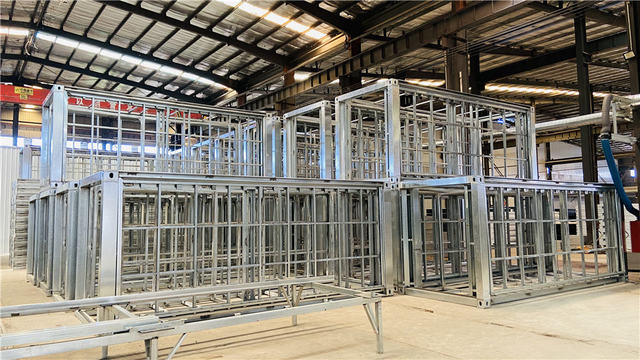
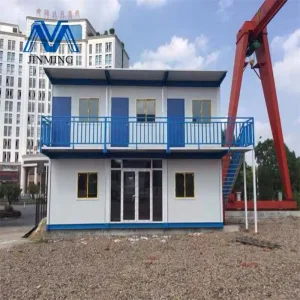
Take an inside look at Cencal Home’s production lines, raw material preparation, assembly stages, and finished modular systems awaiting export dispatch.
 Cencal Home