Explore our highly engineered prefabricated structures designed for versatile commercial, educational, and crisis-response projects worldwide.
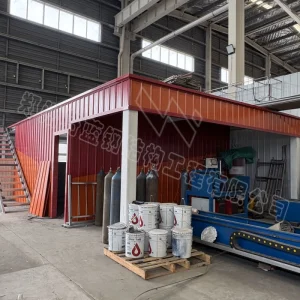
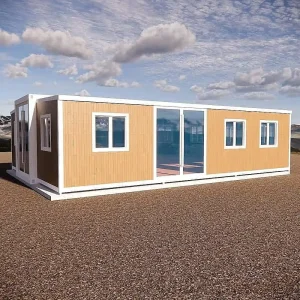
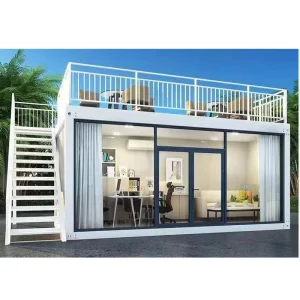
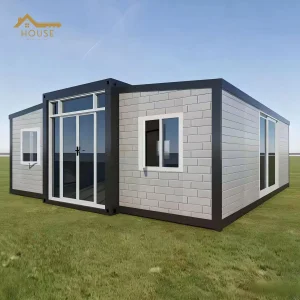
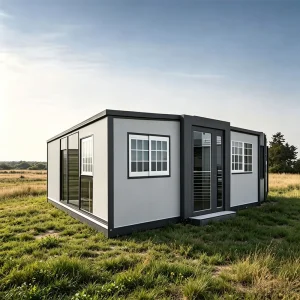
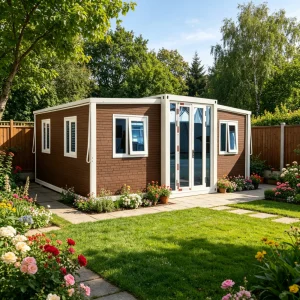
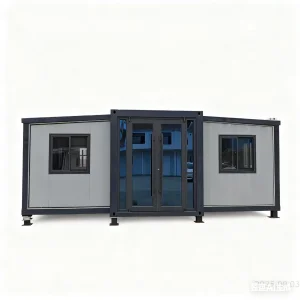
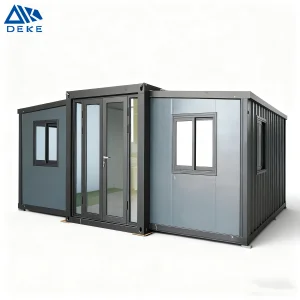
Analyzing the strategic transition from traditional masonry masonry to modular structural engineering in global civil defense and safety operations.
As urbanization accelerates, regional risk profiles undergo rapid fluctuations. Traditional civil defense construction methodologies—specifically, high-cost, fixed-in-place brick-and-mortar fire stations—increasingly present critical operational bottlenecks. Municipalities, industrial zone operators, and humanitarian agencies are confronted with the challenge of shifting infrastructure demands. Setting up permanent fire protection services requires multi-year budgeting, intensive environmental permits, and prolonged construction times. In contrast, CE certified expandable fire stations represent a high-performance solution, offering rapid local deployment capabilities alongside robust engineering durability.
In municipal planning and industrial risk management, reaction time is the primary determinant of loss prevention. A delay in establishing emergency infrastructure in new urban extensions, remote mining projects, or industrial ports directly elevates structural hazards. Modular expandable fire stations alleviate this operational gap by arriving on-site as pre-engineered, integrated modules that expand into fully functioning command posts, equipment lockers, and crew dormitories within a matter of hours. The combination of structural portability and compliance with European Union harmonized standards ensures these systems meet rigorous civil engineering and safety standards.
By migrating to CE certified modular fire stations, asset owners and public authorities reduce deployment lead times by up to 80% while securing structural certification that aligns with regional building codes (such as EN 1090-1 and EN 13501-1).
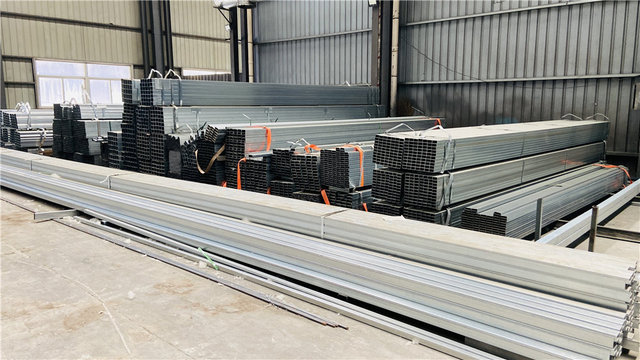
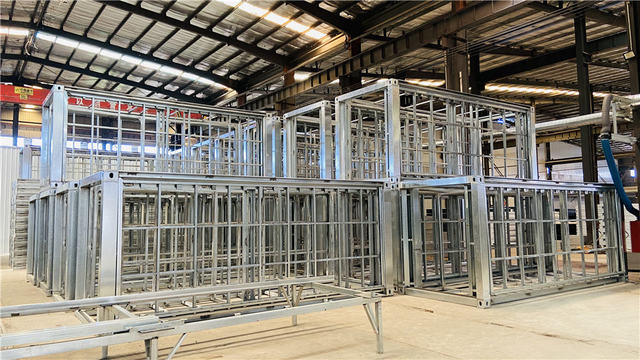
Modern emergency stations require more than simple shelter; they must function as localized operations hubs. These buildings must support continuous occupation, meaning they require built-in HVAC ventilation, flame-retardant structural materials, secure communication routes, and robust structural integrity to withstand regional weather conditions. Cencal Home’s engineering focuses on the complex integration of these architectural elements. By utilizing high-yield galvanized steel frames and premium mineral wool or polyurethane sandwich panels, we provide structures that are thermally efficient and capable of standing up to severe wind loads and seismic events.
A data-driven breakdown of the mechanical and operational advantages of CE-certified expandable modular structures.
Essential regulatory criteria for importing, deploying, and operating prefabricated emergency infrastructure in high-liability zones.
Exporting structural buildings and emergency housing units to international markets—specifically the European Union, the Middle East, and parts of Oceania—requires compliance with rigorous building safety and quality standards. The **CE Mark (Conformité Européenne)** is not simply a decorative label; it serves as a declaration that the structure complies with essential safety, health, and environmental protection requirements. For steel modular buildings like our expandable fire stations, this means adhering to a suite of harmonized standards that govern structural calculation, component manufacturing, and material composition.
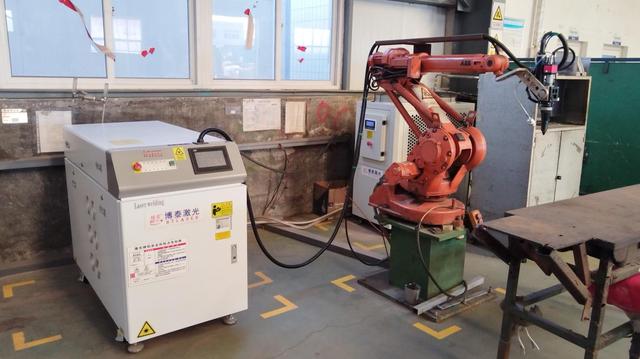
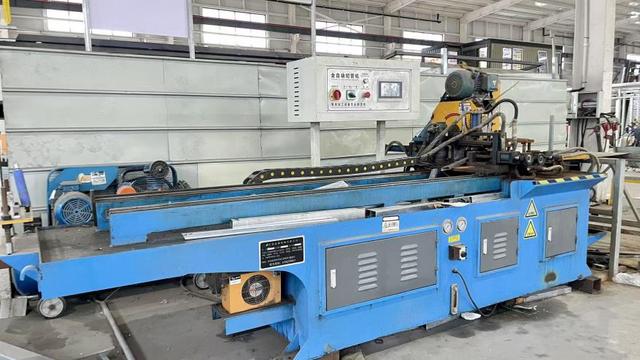
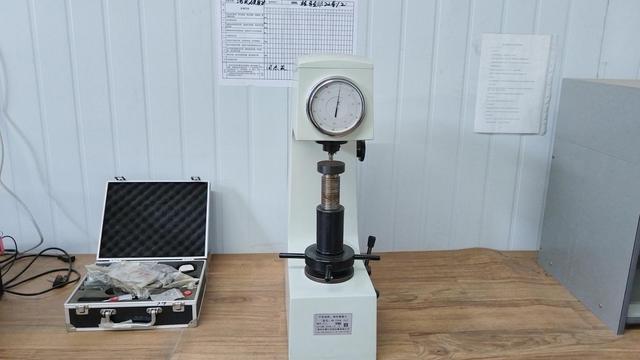
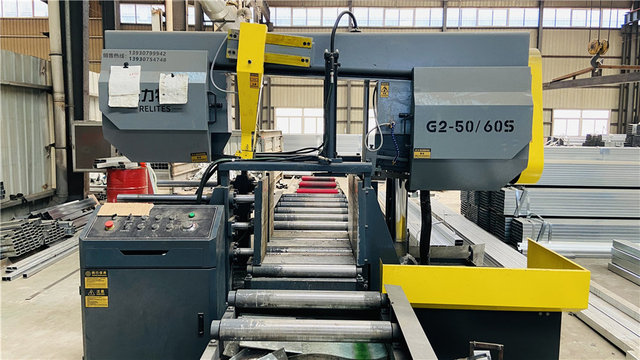
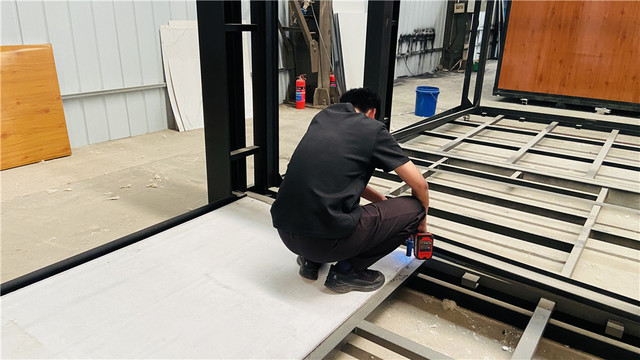
Under the Construction Products Regulation (CPR), all structural steel components utilized in prefabricated buildings sold within the European Economic Area must carry CE marking under EN 1090. This standard regulates the design and fabrication of steel and aluminum structures, detailing requirements for welding execution, raw material traceability, structural load verification, and corrosion protection. Our manufacturing processes utilize certified welders and automated CNC machinery to guarantee that every load-bearing column, beam, and expansion mechanism meets these strict standards, preventing structural fatigue and ensuring site safety.
Fire stations, by definition, must demonstrate exceptional resistance to fire hazards. Standard residential modular units often rely on low-grade EPS (Expanded Polystyrene) cores, which pose structural fire hazards. For safety-critical emergency stations, our manufacturing standard mandates the integration of rock wool (mineral wool) or PIR (polyisocyanurate) insulation sandwich panels. These components are certified under EN 13501-1, achieving Class A1 (non-combustible) or Class B-s1,d0 ratings. This level of insulation minimizes flame spread, restricts smoke development, and provides critical time to ensure the safety of personnel and equipment.
Rock wool cores offer superior heat resistance, maintaining structural integrity up to temperatures exceeding 1000°C. PIR cores provide optimal thermal insulation (with low thermal conductivity values of λ ≈ 0.022 W/m·K), making them highly suitable for extreme polar or desert conditions.
Advanced expandable fire stations feature hydraulic, pneumatic, or synchronized mechanical mechanisms to expand the wings of the structure automatically or semi-automatically. Under CE guidelines, these units fall under the purview of the Machinery Directive. This requires comprehensive risk assessments, fail-safe mechanical locks, and emergency stops to prevent crush hazards during the deployment process. Our engineers design these folding joints with high-safety factor mechanical pins and self-locking worm gears, ensuring the unit remains securely locked in both transportation and expanded states.
Discover the core technologies that define our modern modular structural platforms.
Market projections, supply chain optimizations, and regional demand dynamics driving modular fire station procurement.
The global market for prefabricated building structures has experienced significant expansion over the past decade. Driven by public-private partnerships, infrastructure projects in developing economies, and emergency response planning, the demand for customizable emergency units has reached new levels. According to industrial research and market forecasts, the prefabricated steel building sector is projected to maintain a steady compound annual growth rate (CAGR) of over 6.5% through 2030, with emergency services and healthcare infrastructure showing the fastest growth within public procurement portfolios.
This growth is influenced by several factors. First, global climate anomalies have increased the frequency of wildland-urban interface (WUI) fires, requiring forestry services and civil defense departments to set up temporary fire stations near active fire boundaries. Second, mega-scale infrastructure projects—such as remote hydrogen production plants, solar arrays, and deep-pit mining operations in South America and Western Australia—require immediate fire protection facilities to comply with industrial insurance policies. The delay in constructing traditional permanent brick buildings is no longer compatible with fast-tracked project schedules.
Additionally, modular construction offers significant environmental benefits. In contrast to conventional construction sites, which generate substantial local waste and disrupt surrounding ecosystems, modular manufacturing occurs inside a controlled factory environment. This setup allows for near-total recycling of steel off-cuts, reduces carbon footprints, and minimizes site footprint impact. In ecologically sensitive zones like national parks or coastal resorts, placing a pre-fabricated, self-contained expandable fire station preserves local topsoil and minimizes site disturbance, providing an environmentally sound alternative for municipal projects.
By leveraging localized material sourcing and advanced automated production lines in Hangzhou, China, Cencal Home optimizes the supply chain to minimize raw material waste and shorten global shipping times, providing high-quality structures to international ports.
Strategic deployment playbooks for expandable structural modules across diverse operational environments.
During peak wildfire seasons, fire crews are deployed deep into remote forest reserves. Setting up canvas tents or shipping containers without proper HVAC and fire safety ratings fails to provide adequate operational space or resting quarters for firefighters. A CE certified expandable fire station can be transported to the site on a flatbed truck, expanded within hours, and connected to portable generators. It serves as a central logistics base, offering climate-controlled sleeping quarters, briefing rooms, and secure dry storage for equipment and tools.
Economic zones and ports expand rapidly, often outpacing the construction of municipal services. In areas with high fire risks—such as fuel storage depots, chemical plants, or container yards—having fire protection services located on-site is essential. Establishing an expandable fire station provides immediate coverage during developmental phases. If the layout of the industrial zone changes, the station can be folded up and relocated to a new sector without structural loss, preserving capital investment.
Following seismic events, hurricanes, or industrial disasters, local civil infrastructure is often compromised. In these scenarios, deploying emergency structures is critical. The flexibility of Cencal Home’s product lines allows these expandable cabins to be utilized as field hospitals, tactical coordination centers, or fire brigade stations. Their ability to ship folded and expand on-site makes them highly suitable for air-freight or sea-freight deployment in coordination with the United Nations, NGO networks, or civil protection agencies.
Meet Hangzhou Cencal Home Co., Ltd. — Your Trusted Prefabricated Housing Partner in China.
Hangzhou Cencal Home Co., Ltd. is a professional Chinese manufacturer specializing in expandable houses, foldable houses, modular prefabricated buildings, and customized portable housing solutions. With years of experience in the prefabricated construction industry, we are committed to delivering innovative, durable, and cost-effective space solutions for customers worldwide.
Our product portfolio includes expandable container houses, foldable container homes, modular houses, portable cabins, tiny houses, site offices, labor accommodation units, emergency shelters, guard houses, classrooms, medical clinics, and customized prefabricated buildings. Designed for rapid deployment and convenient transportation, our structures significantly reduce installation time and labor costs while maintaining excellent strength, thermal insulation, and long-term durability.
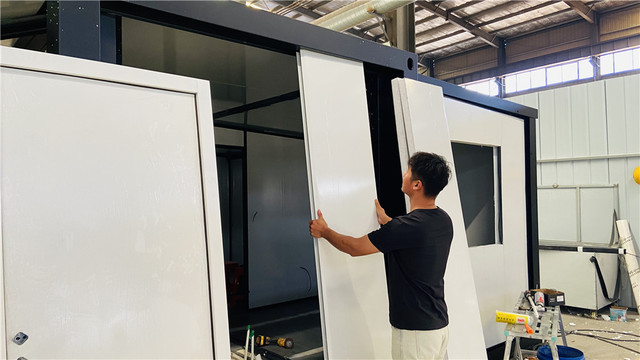
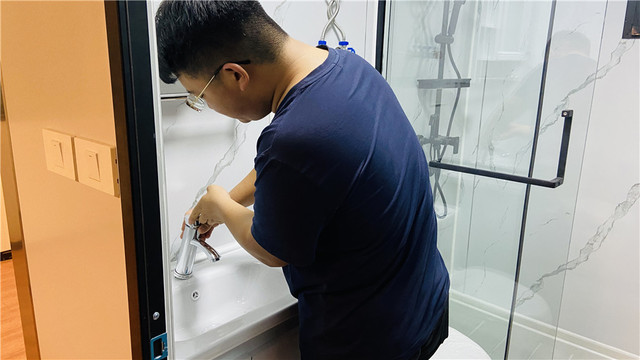
Cencal Home integrates modern manufacturing technology with strict quality control throughout every production stage. Our engineering team provides comprehensive customization services, including floor plan optimization, insulation options, electrical systems, plumbing, interior finishes, windows, doors, roofing, and exterior decoration to meet diverse residential, commercial, industrial, and humanitarian project requirements.
Our products are manufactured using high-quality galvanized steel structures and premium building materials that comply with international quality standards. They are widely used for construction camps, mining sites, tourism resorts, disaster relief projects, healthcare facilities, educational buildings, temporary offices, and permanent residential communities.
Driven by innovation, reliability, and customer satisfaction, Hangzhou Cencal Home continuously invests in product development and manufacturing efficiency to provide smarter modular housing solutions for global markets. We have established long-term partnerships with clients across Europe, North America, South America, Southeast Asia, the Middle East, Africa, and Oceania.
As your trusted expandable house manufacturer in China, Cencal Home is dedicated to providing high-quality prefabricated housing products, flexible OEM and ODM services, competitive pricing, and professional technical support. We look forward to building sustainable living and working spaces together with customers around the world.

Clear, direct, and technical answers to the most common inquiries regarding CE certified modular buildings.
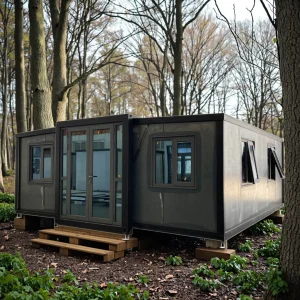
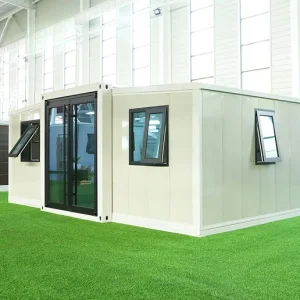
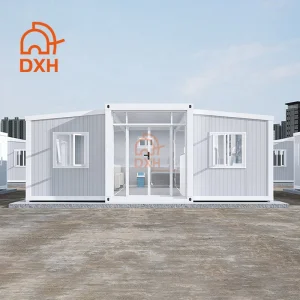
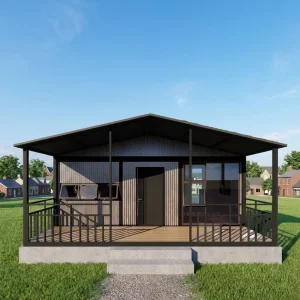
Select from our range of modular living, working, and emergency support units built for durability and flexible site deployment.
 Cencal Home