Top Expandable Houses That Can Withstand Hurricanes?

Time:2026-09-08 Author:Madeline
0%

Can expandable houses withstand hurricanes? The honest answer depends on engineering, materials, installation, and location. No expandable home is completely hurricane-proof. That phrase deserves skepticism.

Dr. David O. Prevatt, a wind-engineering expert at the University of Florida, has warned, “It is not the wind that kills people; it is the buildings.” His point matters for every expandable design. A home may arrive compact, then unfold into a larger living space. During expansion, however, joints, hinges, seals, roof edges, and utility connections become critical weaknesses. Strong performance requires a continuous load path, from the roof covering to the walls, anchors, and foundation. It also requires impact-rated windows, reinforced doors, corrosion-resistant fasteners, and carefully protected mechanical systems.

This guide examines top expandable houses built for severe wind conditions. It compares structural systems, hurricane ratings, anchoring methods, roof geometry, and manufacturer testing. It also considers real-world details, such as salt spray near coastal sites, flying debris, emergency access, and repeated setup errors. A factory-tested unit can still fail when installers ignore the foundation plan. Small mistakes matter.

Look beyond attractive renderings. Ask for engineering documents, wind-zone specifications, test results, and installation records. Check whether the design follows recognized residential standards for high-wind regions. Marketing language is not proof. Some products may perform well, but independent verification remains limited. That uncertainty should be acknowledged.

The strongest expandable houses combine flexible living space with disciplined structural engineering. This article identifies the models that appear most prepared for hurricanes, while explaining where their claims may still require careful review.
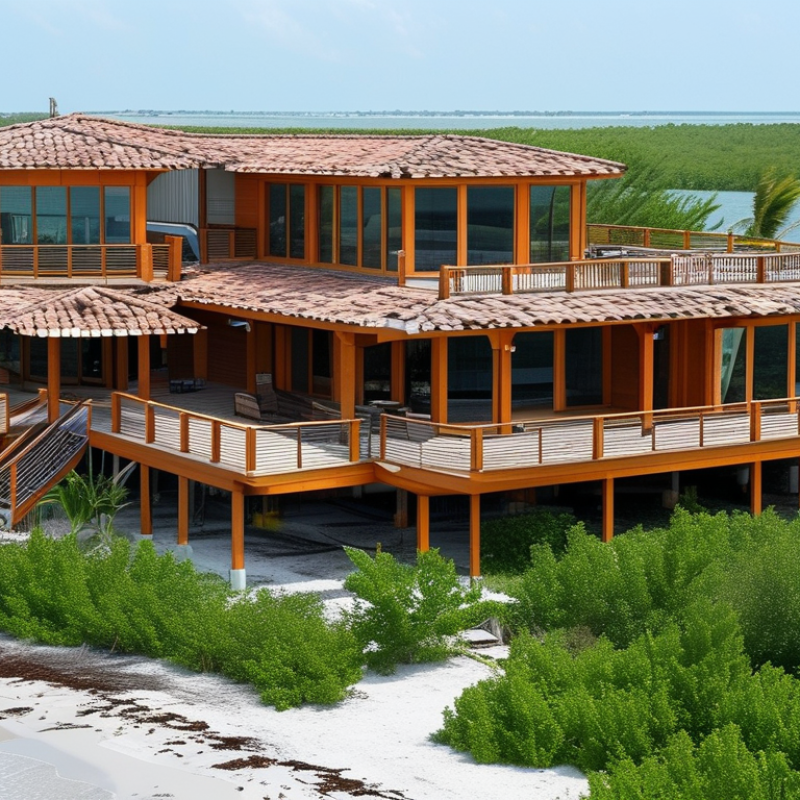
Top Expandable Houses That Can Withstand Hurricanes?

What Makes an Expandable House Hurricane-Resistant

What Makes an Expandable House Hurricane-Resistant

No expandable shell is automatically hurricane-resistant. The real test is continuity: roof, walls, floors, anchors, and foundation must transfer wind forces safely. ASCE 7-22 uses site-specific wind maps and a 700-year mean recurrence interval for many residential designs. Engineers must also check local exposure, terrain, elevation, and wind direction.

Sliding walls and folding sections create vulnerable joints. Each connection needs mechanical locking, weather seals, and a tested load path. FEMA P-361 emphasizes continuous structural resistance and protection from wind-borne debris. A small opening can become a pressure problem quickly. Impact-rated glazing, protected vents, and reinforced exterior doors reduce that risk. The weakest detail often decides the outcome.

The foundation matters as much as the panels. Helical piles, reinforced concrete piers, or tie-down systems must resist uplift and sideways movement. Elevating the living area can reduce flood exposure, but it may increase wind pressure below the house. The IBHS FORTIFIED standard stresses stronger roof edges, sealed roof decks, and impact-resistant openings. These details sound ordinary. They are not optional during a storm.

A careful inspection should follow installation. Bolts loosen. Seals age. Operators may deploy incorrectly under stress. I would also question designs that rely on one central locking bar. Redundancy is safer, even if it adds weight and cost. Expandability brings flexibility, but every moving joint deserves more skepticism.

What Makes an Expandable House Hurricane-Resistant?

The chart shows the minimum sustained wind speed for each Saffir–Simpson hurricane category and the corresponding simplified wind pressure. Expandable homes require a continuous load path, reinforced connections, secure expansion joints, impact-resistant openings, and reliable anchoring to manage these forces.

Wind pressure is estimated with q = 0.00256V², where q is pressure in pounds per square foot and V is wind speed in miles per hour. The values are indicative benchmarks, not a complete structural-design calculation. Actual resistance depends on local building codes, wind exposure, roof geometry, foundation type, debris protection, and the quality of expandable-module connections.

Key Structural Features for Wind, Rain, and Flying Debris

The strongest expandable houses treat movement as a structural challenge, not a visual feature. Their sliding or folding sections need engineered hinges, locked connections, and a continuous load path. That path should carry wind forces from the roof into reinforced walls, anchors, and the foundation. A licensed structural engineer should verify calculations for the home's exact site. Generic ratings can mislead.

For hurricane winds, a compact roof with restrained overhangs usually offers fewer surfaces for uplift. Roof-to-wall connectors, impact-rated windows, and properly secured exterior doors matter more than attractive cladding. Shutters or tested protective panels can reduce damage from flying branches and broken materials. Every opening needs reliable latches and seals. Small gaps become wet problems.

Heavy rain also exposes weak transitions between modules. Use sloped drainage paths, wide gutters, flashing, and overlapping membranes. Expandable joints deserve frequent inspection because movement can loosen fasteners or crack sealant.

Elevated foundations can reduce flood exposure, but they must resist scour and sideways water pressure. Anchors should match local soil conditions, not a standard drawing. On site, I would inspect bolt washers, hinge pins, sealant, and corrosion after every major storm. No enclosure is perfect. Even a well-designed house may suffer from poor maintenance, rushed installation, or an untested extension. That uncomfortable limitation should shape the purchase, the inspection schedule, and the emergency plan.

Top Expandable House Designs for Hurricane-Prone Regions

Expandable houses for hurricane-prone regions need more than clever folding walls. Their designs must preserve a continuous load path from the roof to the foundation. FEMA’s Coastal Construction Manual recommends elevated structures, strong connections, and careful flood-resistant detailing in exposed areas. These principles should guide every expandable module.

A practical design uses a compact central core with retractable living wings. When extended, the wings need mechanical locks, diagonal bracing, and sealed joints. The roof should use a low-slope profile with short overhangs, reducing wind uplift around edges. Impact-rated windows, reinforced shutters, and corrosion-resistant fasteners add protection near saltwater. ASCE 7-22 wind provisions can require design speeds above 150 mph in some coastal zones, depending on location and risk category.

Elevation matters too. FEMA flood guidance places critical equipment above expected flood levels, not inside vulnerable crawl spaces. A raised steel or reinforced-concrete foundation can protect plumbing and electrical systems. The Insurance Institute for Business & Home Safety identifies roof connections, openings, and wind-driven rain as recurring damage points. Expandable homes often have more seams, so they deserve extra inspection. That is where the concept becomes less elegant. A beautiful sliding wall is still a liability if one gasket fails. Designers should test deployed and folded configurations, maintain detailed inspection records, and accept that no portable structure is hurricane-proof.

How to Compare Safety, Mobility, Cost, and Building Standards

Top Expandable Houses That Can Withstand Hurricanes?

Comparing an expandable house starts with safety, not floor area. FEMA P-361 recommends continuous load paths, impact-resistant openings, and protected refuge spaces for extreme-wind regions. ASCE 7-22 also assigns site-specific wind speeds, so one design cannot fit every coastline. Check the engineering drawings, not only the advertised wind rating. A compact home with anchored modules, corrosion-resistant connectors, and a sealed roof edge may outperform a larger model with weak joints. IBHS research repeatedly identifies roof attachment and water intrusion as major failure points. That detail matters when wind drives rain beneath cladding.

Mobility changes the risk. A movable unit needs certified tie-downs, level foundations, and verified transport limits. Ask whether expansion hinges, utility connections, and wall seals remain protected after repeated movement. Building standards also matter. Confirm compliance with the current International Residential Code, local wind provisions, electrical rules, and flood-elevation requirements. FEMA flood maps can change, and they are not perfect. That deserves honest checking. Cost comparisons should include anchoring, site preparation, permits, storm shutters, insurance, and post-storm inspections. A low purchase price can become expensive on a rocky, flood-prone site.

Tips: Request a stamped structural plan and the exact design wind speed. Measure the raised foundation height. Inspect roof-to-wall connectors with a qualified professional. Ask for documented test results, not vague “hurricane-ready” language. Keep an emergency access route clear. I would also compare repair access, because hidden joints can be difficult to inspect after expansion.

Installation and Maintenance for Long-Term Storm Protection

Expandable homes can offer strong hurricane protection when installation receives as much attention as design. A qualified contractor should inspect the site, soil, drainage, and nearby trees before delivery. The foundation must match local wind standards and verified engineering plans. Every anchor, connector, and roof tie should be fitted precisely. Small gaps can become serious weaknesses during extreme wind.

Professional installation also includes sealed joints, protected utilities, and secure folding mechanisms. Doors and windows need tested impact protection, not temporary coverings alone. Ask the installer for written load ratings, inspection records, and maintenance instructions. Local building officials should approve the completed structure. This step may feel slow, but skipping it creates uncertainty when insurance claims or repairs become necessary. I have seen owners focus on expansion speed while overlooking drainage around the foundation.

Tips:

Keep gutters clear and check roof fasteners before storm season. Lubricate moving hinges with the approved product. Inspect seals for cracks, hardening, or separation. Test emergency locks every few months. Remove loose furniture from exterior areas. After a storm, photograph damage before cleaning, then request a professional inspection. Do not force a swollen panel or mechanism. That can hide deeper frame damage. Replace corroded hardware promptly, especially near coastal air. A written inspection log helps reveal repeated problems, although many homeowners forget to keep one.

FAQS

: Is an expandable house automatically hurricane-resistant?

: No. Its roof, walls, floor, anchors, and foundation must form one continuous load path. Small gaps can become serious weaknesses. Professional engineering remains essential.

Why are sliding and folding sections vulnerable?

Moving joints can loosen or leak during extreme wind. Each joint needs mechanical locks, weather seals, and tested strength. The weakest connection may decide the outcome.

How can windows and doors reduce storm damage?

Use impact-rated glazing, reinforced exterior doors, and protected vents. Temporary coverings alone may not provide enough protection. One broken opening can rapidly increase internal pressure.

Does the foundation affect hurricane safety?

Yes. Helical piles, concrete piers, or tie-downs must resist uplift and sideways movement. The foundation should match local soil and wind conditions. Elevation may reduce flooding but increase wind pressure underneath.

What should happen before installation?

A qualified contractor should inspect soil, drainage, nearby trees, and foundation locations. Every anchor, connector, and roof tie needs precise fitting. Do not rush this stage.

Which maintenance tasks matter before storm season?

Clear gutters and inspect roof fasteners. Check seals for cracks, hardening, or separation. Test emergency locks every few months. Lubricate hinges only with the approved product.

What warning signs need quick attention?

Corroded hardware, loose bolts, swollen panels, and damaged seals need inspection. Do not force a stuck mechanism. It may hide deeper frame damage.

What should homeowners do after a hurricane?

Photograph damage before cleaning. Request a professional inspection and avoid operating damaged mechanisms. Keep written inspection records, although many owners forget. One central lock should not be trusted alone.

Conclusion

Can expandable houses withstand hurricanes? They can, but only when designed and installed with storm resistance as a core priority. A reliable expandable home should use a reinforced frame, secure connections, impact-resistant windows, a tightly sealed roof, elevated utilities, and materials that resist wind-driven rain and corrosion. Its expandable sections must lock firmly into the main structure so they do not become weak points during severe weather. Proper anchoring and a foundation suited to local soil and flood conditions are equally important.

For hurricane-prone regions, buyers should compare structural safety, mobility, construction cost, insurance requirements, and applicable building standards rather than focusing on size alone. Professional installation is essential to ensure every joint, seal, anchor, and utility connection performs correctly. Long-term protection also requires regular inspections, roof and drainage maintenance, replacement of damaged seals, and a clear storm-preparation plan. With careful selection and upkeep, an expandable house can provide flexible living space while offering meaningful protection against hurricanes.

Madeline

Madeline

Madeline is a dedicated marketing professional with a wealth of expertise in our company's core offerings. With a keen understanding of the industry, she brings a unique perspective to her role, consistently delivering high-quality content that highlights the superior aspects of our products. As......