China’s off-site building sector is attracting buyers seeking faster installation, controlled costs, and flexible accommodation. This article examines the China Top 10 Expandable House vs Container House Suppliers through practical purchasing criteria. These include factory capacity, engineering documentation, material traceability, customization, delivery records, and after-sales support.
Market data shows strong momentum, but definitions vary. Grand View Research estimates the global modular construction market will expand substantially through 2030, supported by labor shortages and demand for shorter project schedules. Mordor Intelligence also reports continuing growth in prefabricated buildings, although its categories may include products beyond expandable homes. These differences matter. A market figure cannot prove that one supplier is dependable.
Expandable homes typically arrive folded, then open into larger rooms with hinged walls, floors, and roof sections. A small unit can become a bright two-bedroom space within hours, depending on site preparation and lifting equipment. Container houses use standardized steel boxes, often based on ISO container dimensions. Their frames are familiar, stackable, and widely transportable. However, insulation, condensation control, corrosion treatment, and local compliance require close inspection.
The phrase expandable house vs container house describes more than appearance. It reflects different decisions about mobility, usable floor area, structural modification, and long-term maintenance. UNCTAD’s Review of Maritime Transport highlights the enormous scale of global container movement, supporting container availability but not guaranteeing suitable building condition. Some containers have hidden rust or chemical residues. That risk deserves attention.
The supplier list should therefore be treated as a research starting point, not a final verdict. A polished catalog can still conceal weak welding or unclear specifications. Buyers should request drawings, test certificates, installation photographs, and references from comparable climates before signing contracts.
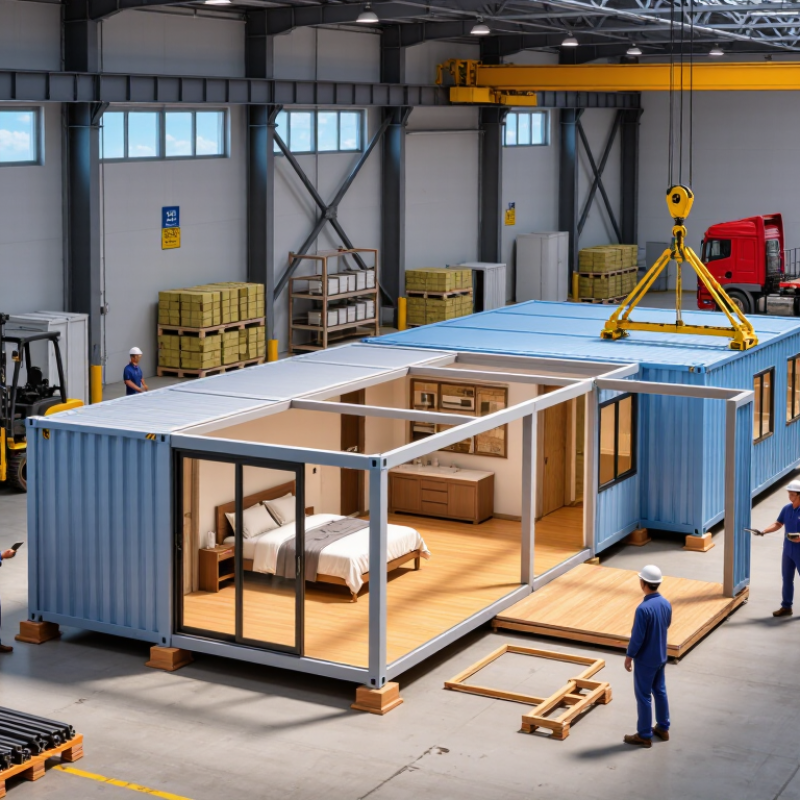
Expandable houses are factory-built modular units designed for transport and quick installation. Their walls or rooms fold inward during delivery, then extend on site. A compact unit can become a larger living space within hours, depending on the model and crew. Typical features include steel frames, insulated panels, wiring, plumbing, doors, and windows. Quality varies widely, so a low price does not prove good value.
Container houses usually begin with steel shipping containers, although some are newly manufactured modules. Their strong steel shells provide a durable base, but cutting openings can weaken the structure. Proper reinforcement matters. Insulation also deserves attention, especially in hot or cold climates. I have found that condensation, poor ventilation, and uneven floors create more trouble than buyers expect. Neither housing type is automatically suitable for every site. Local planning rules, foundation conditions, fire safety, wind loads, drainage, and utility connections should be checked by qualified professionals.
Tips: Ask for material specifications, structural drawings, insulation details, and installation records. Inspect welds, seals, hinges, and floor levels before acceptance. Request evidence of testing where available. Measure the transport route carefully; narrow roads and overhead cables can delay delivery. Keep a realistic budget for foundations, cranes, plumbing, and electrical work. Expandable homes may offer more usable space, while container homes can provide a familiar steel structure. The better choice depends on climate, intended use, maintenance capacity, and verified construction quality. Some decisions still look obvious until the first rainy season.
| Comparison Dimension | Expandable House | Container House | What to Check When Choosing a Supplier |
|---|---|---|---|
| 1. Basic Definition |
Fold-out modular unit A factory-built housing unit that is transported in a folded or compact form and expanded on site to create a larger usable interior. |
Steel modular unit A building made from a new or repurposed steel container structure, usually modified with insulation, doors, windows, flooring, and utilities. |
Confirm the construction method, structural drawings, product specifications, and whether the unit is newly manufactured or converted from a used container. |
| 2. Typical Deployment Speed | Often requires relatively little on-site assembly after delivery because the main structure is pre-fabricated and designed to unfold. | Fast to install when delivered as a finished module, but site preparation, connection of utilities, insulation work, and internal finishing may extend the schedule. | Request a complete installation schedule covering foundation work, transport, crane operations, assembly, utility connections, and final inspection. |
| 3. Space Efficiency | Provides a larger usable floor area after expansion compared with its folded transportation dimensions. | Interior dimensions are constrained by the container frame. Standard widths are generally limited, so larger layouts may require multiple connected modules. | Compare folded dimensions, expanded dimensions, internal clear height, usable floor area, and the number of modules required for the project. |
| 4. Structural System | Commonly uses a steel frame with folding wall, roof, or floor components. Structural performance depends on the frame design and connection details. | Usually relies on a welded steel frame or an existing container frame. Cutting large openings can affect structural integrity if not properly reinforced. | Ask for material grades, load calculations, welding standards, connection details, wind-load ratings, and snow-load ratings where applicable. |
| 5. Insulation and Thermal Performance | Can be supplied with insulated sandwich panels, mineral wool, polyurethane, or other insulation systems selected for the target climate. | Requires careful treatment of the steel envelope because steel conducts heat. Insulation, vapor control, thermal bridges, and condensation resistance are important. | Verify insulation thickness, thermal conductivity, fire rating, vapor-barrier design, U-value or R-value data, and suitability for the destination climate. |
| 6. Transport and Logistics | The folded configuration can reduce transport volume and may allow more units to be shipped in a single load, depending on dimensions and regulations. | Transport is based on container or module dimensions. Oversized units, lifting equipment, and road restrictions may affect the delivered cost. | Obtain a delivered-cost quotation that includes packing, loading, freight, insurance, customs documentation, unloading, crane requirements, and inland transport. |
| 7. Installation Requirements | Usually needs a level foundation, anchoring points, lifting equipment, and a clear working area for unfolding the unit. | Needs a suitable foundation or support system, accurate placement, module joining where applicable, and connection of electrical, water, and drainage services. | Request foundation drawings, lifting plans, site tolerances, installation manuals, and a clear division of responsibilities between supplier and buyer. |
| 8. Customization Options | Layouts, windows, doors, kitchens, bathrooms, electrical systems, wall finishes, and exterior colors can often be customized before production. | Customization is possible, but extensive cutting, welding, or modification of the steel shell can increase cost, lead time, and structural engineering requirements. | Confirm the design-change deadline, available layouts, approved materials, sample or prototype process, and additional charges for modifications. |
| 9. Durability and Maintenance | Service life depends on frame protection, panel quality, waterproofing, fasteners, coatings, and maintenance. Folding joints require periodic inspection. | The steel structure can be durable when properly protected, but corrosion control, roof drainage, sealants, and areas modified for openings require regular maintenance. | Check corrosion-protection systems, coating specifications, waterproofing details, replacement-part availability, maintenance instructions, and warranty terms. |
| 10. Compliance and Supplier Reliability | Compliance depends on local building codes, fire regulations, electrical standards, energy requirements, and the unit's intended use. | The same requirements apply. A container-based structure is not automatically exempt from planning, building, fire, or occupancy regulations. | Evaluate factory quality control, production capacity, inspection records, test reports, export experience, after-sales support, and the supplier's ability to provide local-code documentation. |
It is a factory-built modular unit designed for transport and quick installation. Its walls or rooms fold inward during delivery. On site, the unit expands into a larger living space. Installation may take hours, depending on the model and crew.
It usually starts with a steel shipping container or a newly manufactured steel module. Its steel shell offers a strong base. However, cutting doors and windows can weaken the structure. Reinforcement must be checked carefully.
Expandable houses often provide more interior space after installation. Container houses offer a familiar steel structure and flexible layouts. The better option depends on the site, climate, and intended use. Space plans can look better on paper.
Condensation, poor ventilation, uneven floors, and weak seals can cause trouble. Hot and cold climates require suitable insulation. Check roof joints after heavy rain. Small defects may become expensive later.
Request structural drawings, material lists, production schedules, and recent project references. Ask for a factory video or visit the workshop. Watch workers install insulation and seal roof joints. A polished website proves little.
Ask for steel thickness, welding methods, fire performance, waterproofing details, and insulation values. Test reports should include dates and issuing laboratories. The documents must match the actual product. Vague certificates deserve caution.
A low quotation may exclude foundations, transport, cranes, plumbing, electrical work, flooring, or commissioning. Keep extra budget for these items. The cheapest offer may not be the cheapest project. I have underestimated this before.
Inspect welds, seals, hinges, windows, and floor levels. Check packaging, loading photos, and spare-part arrangements. Confirm that electrical and plumbing systems work properly. Rain reveals weaknesses quickly.
Measure narrow roads, turning areas, bridge limits, and overhead cables. Confirm truck access and crane positioning before production. A small road obstruction can delay the entire delivery. Planning is not perfect, but it helps.
No. Rankings and showroom photos provide limited evidence. Compare suppliers using the same checklist. Independent inspection before shipment offers stronger evidence. Even careful evaluations have limits.
This guide compares expandable houses and container houses, explaining how each type is designed, transported, assembled, and used for residential, commercial, emergency, and temporary projects. It also presents a practical framework for evaluating China’s top ten suppliers, focusing on manufacturing capacity, material quality, structural safety, customization options, production standards, delivery experience, communication, after-sales support, and total project cost. Rather than relying only on advertisements or price, buyers should assess whether a supplier can provide clear specifications, reliable schedules, inspection procedures, and suitable documentation.
The section on expandable house vs container house highlights the main differences in space efficiency, installation speed, mobility, durability, insulation, appearance, and long-term maintenance. Expandable models generally offer more usable space after deployment, while container-based units may provide a simpler modular structure and easier standardization. The final recommendations help buyers match the right Chinese supplier and housing solution to their site conditions, budget, climate, intended use, transportation requirements, and future expansion plans.

 Cencal Home