When considering an expandable house, one crucial aspect is its foundation. A solid foundation is vital for structural integrity and longevity. Understanding "what foundation does an expandable house need" requires an examination of various factors. The type of soil, climate, and architectural design all play significant roles.
Expandable houses often face unique challenges. They need flexible foundations that accommodate future expansions. Traditional foundations may not suffice. This aspect can lead to long-term issues if not addressed. Consulting with structural engineers is essential. Their expertise can guide homeowners in making informed decisions tailored to specific scenarios.
Each building site is different. Conducting a thorough soil test is imperative. Builders must assess load-bearing capacity to prevent structural failures. It is not just about expansion; it’s about stability and safety. Neglecting the right foundation can lead to costly repairs or unsafe living conditions. Homeowners must reflect on these details carefully.
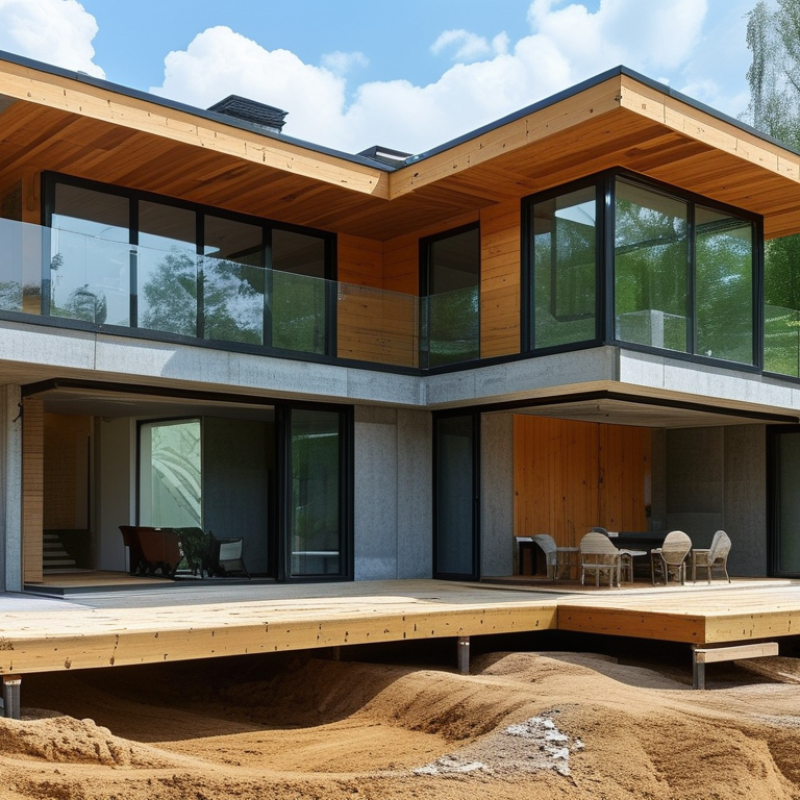
When considering an expandable house, choosing the right foundation is crucial. A solid foundation supports the structure's integrity as it expands. There are several types of foundations to consider, each with unique characteristics that can suit different expandable house designs.
A pier foundation, for instance, elevates the house above ground. This method provides excellent airflow and prevents moisture issues. It allows for easy expansion and modification down the line. Alternatively, a slab foundation offers a strong, stable base. However, it can complicate future expansion as it is a fixed structure. Those looking to expand should weigh these options carefully.
Tips for foundation selection: Always assess the soil quality before starting. Poor soil can lead to issues later. Consult with a structural engineer to determine the best foundation type for your needs. Make sure to factor in local climate conditions. They can significantly affect the longevity and stability of your foundation choice. Lastly, don't overlook zoning laws. These regulations can impact your foundation's design and expansion potential.
| Foundation Type | Description | Pros | Cons | Best Use Case |
|---|---|---|---|---|
| Pier Foundation | A foundation that consists of concrete piers or posts set into the ground, supporting the house above. | Cost-effective, excellent for sloped lots, easy access for repairs. | Less stable in flood-prone areas, requires proper drainage. | Best for homes in rural areas or on uneven terrain. |
| Slab Foundation | A flat concrete slab that serves as the base for the house. | Low cost, quick installation, resistant to termites. | Not suitable for areas with extreme frost, difficult to access plumbing. | Ideal for warm climates with stable soil conditions. |
| Basement Foundation | A full or partial basement under the house providing additional living space. | Increases property's value, versatile use for living or storage. | Higher construction costs, potential moisture issues. | Perfect for larger homes or in areas with high property values. |
| Crawl Space Foundation | Elevated foundation with a small space between the ground and the home. | Accessibility for plumbing and wiring, good ventilation. | May attract pests, requires insulation in colder climates. | Ideal for homes in areas with varying soil conditions. |
: A pier foundation elevates the house and allows for easy expansion. It also improves airflow and prevents moisture issues.
Soil type influences load-bearing capacity. Clay soil, for instance, can cause settlement issues if not managed properly.
The Standard Penetration Test determines soil density and bearing capacity. This is crucial to avoid future problems.
Concrete is durable and strong. It can support various designs, especially when reinforced with steel.
Yes, wood is lightweight and easy to work with, but it's vulnerable to moisture and pests. Regular inspections are needed.
Local climate affects foundation longevity and stability. Make sure to consider climate factors when choosing your foundation.
Adjustable pier foundations allow easy modifications. They are useful in areas with unstable ground for expandable homes.
Yes, consulting a structural engineer helps you determine the best foundation. They can assess site-specific conditions reliably.
Ignoring soil behavior can lead to structural problems and costly repairs. Regularly updating soil assessments is essential.
Choosing a cheaper foundation option may lead to higher costs later. Balance cost with potential future expansion needs.
When considering what foundation does an expandable house need, several key factors must be addressed. The type of foundation chosen will depend on the load-bearing requirements specific to expandable structures, which vary based on the design and intended use. A comprehensive overview of foundation types reveals that options such as pier and beam, slab-on-grade, and crawl spaces each present unique benefits and considerations.
Additionally, proper soil analysis is crucial as it can significantly impact the foundation design. Understanding the soil characteristics not only aids in selecting suitable materials for the foundation but also ensures the stability and longevity of the expandable house. Regional considerations play a vital role as well, as different climates and soil conditions will influence the foundation's resilience and potential for expansion.

 Cencal Home