How Energy Efficient Are Expandable Houses for Modern Living?

Time:2026-08-29 Author:Aria
0%

As urban living continues to evolve, modern housing solutions face increasing scrutiny. One innovative approach that has garnered attention is expandable houses. These homes promise flexibility to adapt to changing needs. Unlike traditional houses, they can grow in size or shrink as necessary. But a crucial question arises: how energy efficient are expandable houses?

Energy efficiency is a significant consideration for many homeowners. Traditional homes consume substantial resources for heating and cooling, leading to higher utility bills. In contrast, expandable houses often utilize sustainable materials and designs. These homes can incorporate advanced insulation and energy-efficient systems from the start. However, the effectiveness of these measures in expandable designs is still under debate.

Some proponents claim that expandable houses can achieve remarkable energy efficiency. Others argue that complexity in design could hinder performance. Focusing on specific features, such as solar panels or green roofs, provides insights into energy use. Yet, the variable nature of expandable houses might introduce unforeseen challenges. Addressing these concerns is essential for the future of sustainable housing solutions.
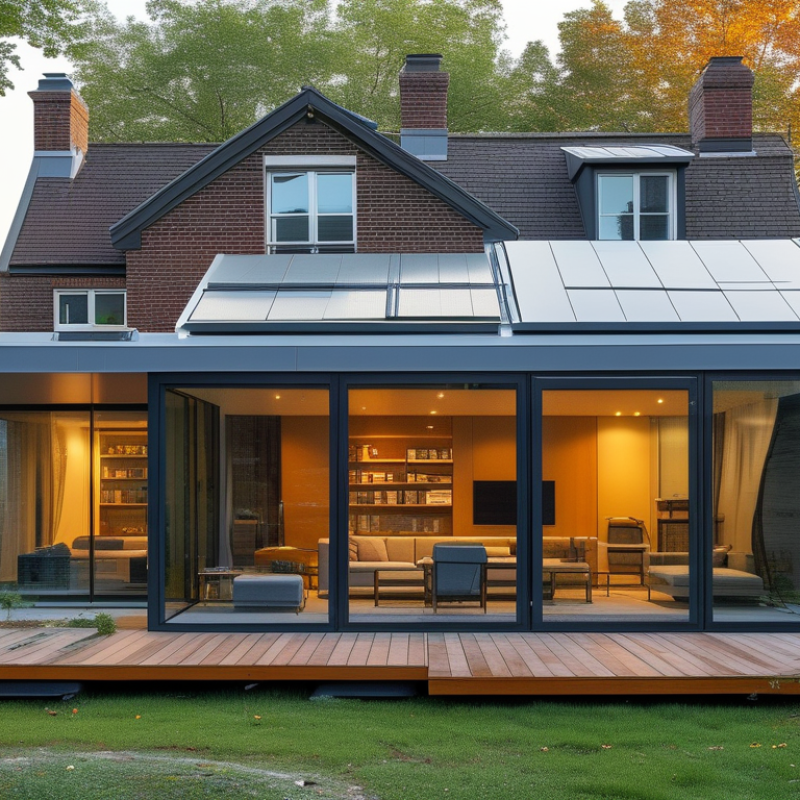
How Energy Efficient Are Expandable Houses for Modern Living?

Understanding Expandable Houses and Their Energy Efficiency

Expandable houses represent a modern approach to living spaces. They are designed for flexibility and efficiency while striving for energy sustainability. A report by the International Energy Agency mentions that such homes can reduce energy consumption by up to 30% compared to traditional dwellings. The design typically incorporates high-insulation materials and energy-efficient appliances, which contribute significantly to their energy-saving capabilities.

The adaptability of expandable houses is compelling. They can be expanded or contracted to meet the changing needs of the occupants, making them suitable for various family sizes or personal preferences. However, it's essential to consider the potential downsides, such as the initial construction costs. A study from the U.S. Department of Energy suggests that upfront expenses for energy-efficient homes might deter some homeowners, even if long-term savings are promising.

When considering expandable houses, pay attention to local climates. Your home’s design should account for seasonal variations. Orientation can play a crucial role in maximizing natural light and heat. Use energy-efficient windows to minimize air leaks. Look into smart home technology, which can further enhance energy performance. These choices contribute not only to energy efficiency but also to your overall comfort.

Key Features of Energy Efficiency in Expandable House Designs

Expandable houses are gaining attention for modern living, especially in energy efficiency. These homes are designed to adapt to varying needs, and their energy-efficient features play a significant role in sustainability. High-quality insulation is essential. It helps regulate indoor temperatures and reduces energy consumption for heating and cooling.

Natural ventilation systems often allow for airflow without artificial means. This can lower reliance on air conditioning. Solar panels can also be integrated, harnessing renewable energy. However, not every expandable house may include this feature. Some designs may overlook optimal positioning, which diminishes energy efficiency.

Consider the choice of materials too. Using recycled or eco-friendly materials can enhance sustainability. It's vital to ensure that the building materials chosen, such as bamboo or reclaimed wood, are sourced responsibly. Regular maintenance is crucial. Even minor leaks in insulation can lead to energy loss. Check seals and windows frequently to maintain efficiency.

Comparative Analysis: Expandable Houses vs. Traditional Homes

Expandable houses offer a unique flexibility for modern living. Their design allows homeowners to adapt their space easily as needs change. In contrast, traditional homes often require significant renovations, which can be costly and time-consuming. A report from the American Council for an Energy-Efficient Economy highlights that expandable houses can reduce energy consumption by up to 30% compared to conventional homes, thanks to their modern insulation and efficient heating systems.

However, expandable houses are not without their challenges. Their initial construction can be more complex, impacting the timeline and cost. Additionally, buyers may perceive them as less durable than traditional options. Industry experts warn that the resale value may fluctuate based on market trends and local demands. Prospective buyers should consider these factors carefully.

Tips: Embrace smart technology in expandable homes to enhance efficiency. Utilize programmable thermostats and energy-efficient appliances for better management. Regular insulation checks can prevent energy loss. Stay informed about your local housing market to understand the potential value of expandable homes.

Sustainability Practices in the Construction of Expandable Houses

Expandable houses are gaining attention for their adaptability and efficiency. These homes can grow with families, offering flexibility in living spaces. By utilizing sustainable practices in their construction, they reduce environmental impact significantly.

Materials matter. Builders often choose recycled and locally sourced options. This practice not only conserves resources but also supports local economies. However, there's a challenge in balancing cost and sustainability. Quality may vary, leading to potential issues over time.

Energy efficiency is another vital aspect. Many expandable houses incorporate smart technologies. These features can optimize energy consumption, but reliance on technology has its downsides. A power outage can leave homes less functional. Sustainability is an ongoing process. Keeping up with innovations in materials and techniques is crucial for improvement. This journey involves learning from mistakes and adapting to new challenges.

How Energy Efficient Are Expandable Houses for Modern Living? - Sustainability Practices in the Construction of Expandable Houses

Feature Rating (1-10) Energy Consumption (kWh/year) Renewable Sources Used (%) Estimated Cost Savings ($/year)
Insulation Quality 9 1200 75 300
Solar Panel Efficiency 8 1500 60 250
Water Heating System 7 800 40 150
Lighting System 9 600 50 100
Overall Energy Efficiency Rating 8.2 4100 55 895

Future Innovations in Energy Efficiency for Expandable Homes

The future of expandable homes is bright, especially regarding energy efficiency. According to the U.S. Department of Energy, average residential energy use accounts for about 20% of the nation’s total energy consumption. Expandable houses can be designed to utilize advanced materials and technologies to mitigate this issue. For example, building elements like insulated panels and energy-efficient windows can significantly reduce heating and cooling demands.

Innovations such as solar-integrated roofing and smart home technology are also on the rise. Reports indicate that homes equipped with smart systems can reduce energy consumption by up to 30%. These systems monitor energy usage in real-time, providing homeowners with insights to optimize their energy management. Despite these advancements, there are challenges to overcome. The initial cost and complexity of implementing these technologies can deter potential buyers. Therefore, finding a balance between affordability and innovation is crucial.

While expandable homes promise flexibility and sustainability, their energy efficiency must continue to evolve. The integration of renewable energy sources is promising, yet barriers still exist. Some homeowners may face zoning laws that hinder renewable installations. Addressing these issues will be vital in maximizing energy efficiency in expandable houses.

FAQS

: What are expandable houses?

: Expandable houses are flexible living spaces designed for efficiency and adaptability. They can grow or shrink based on needs.

How do expandable houses impact energy efficiency?

They can reduce energy consumption by up to 30% with high-insulation materials and energy-efficient appliances.

What materials are preferred for these houses?

Eco-friendly materials, like bamboo and reclaimed wood, are ideal. They boost sustainability and should be responsibly sourced.

Are there any downsides to expandable houses?

Yes, initial construction costs can be high. Buyers may find them complex and perceive them as less durable than traditional homes.

How does location affect expandable house design?

Local climate matters. Seasonal variations should influence design choices, like window orientation for optimal light and heat.

What maintenance is needed for energy efficiency?

Regular checks of insulation, seals, and windows are crucial. Small leaks can lead to significant energy loss.

How can technology enhance energy performance?

Incorporating smart home technology, like programmable thermostats, can improve energy management and overall efficiency.

Is resale value a concern with expandable houses?

Yes, resale value can fluctuate. Market trends and local demand influence potential buyers' perceptions of these homes.

Can expandable houses have solar panels?

Yes, some designs can include solar panels, but not all do. Proper positioning is vital for maximizing their benefits.

What should homeowners do with energy-efficient features?

Ensure that all energy-efficient features work correctly. Regular maintenance can help sustain their effectiveness over time.

Conclusion

Expandable houses are an innovative solution to modern living that prioritize energy efficiency and sustainability. In exploring how energy efficient are expandable houses, key features such as superior insulation, strategic design for natural light, and the use of renewable materials come into play. These houses typically require less energy for heating and cooling, making them an eco-friendly alternative to traditional homes.

A comparative analysis reveals that expandable houses not only offer flexibility in living space but also tend to have a lower carbon footprint compared to conventional houses. Sustainable construction practices further enhance their efficiency, focusing on minimizing waste and using energy-efficient appliances. As technology advances, future innovations promise to integrate even more energy-efficient systems into expandable homes, solidifying their role as a sustainable choice for contemporary living.

Aria

Aria

Aria is a dedicated marketing professional with a deep passion for innovative strategies and a keen understanding of our company's product offerings. With a wealth of experience in the industry, Aria excels at crafting engaging content that highlights the unique features and benefits of our......