Can Expandable Houses Be Customized to Fit Your Needs?

Time:2026-08-24 Author:Sophia
0%

As urban living spaces become increasingly constrained, innovative housing solutions like expandable houses are gaining attention. The question arises: **can expandable houses be customized** to fit individual needs? This concept offers exciting possibilities, allowing homeowners to adapt their living spaces as their lifestyles change.

Expandable houses provide flexibility. They can grow to accommodate a new family member or shrink for downsizing. This adaptability can reflect personal taste, age, or physical needs, making the home uniquely yours. However, challenges remain. Not all expandable designs may offer the desired level of customization. Some may fall short in aesthetic appeal or functionality. Homeowners must navigate these complexities to ensure a space that truly fits their vision.

Customization requires thoughtful planning. Owners should consider design elements like layout, materials, and energy efficiency. Each choice impacts the overall build and comfort of the space. Ultimately, while expandable houses offer potential customization, careful consideration is essential. The right balance between flexibility and personal needs determines the house’s success in truly feeling like home.
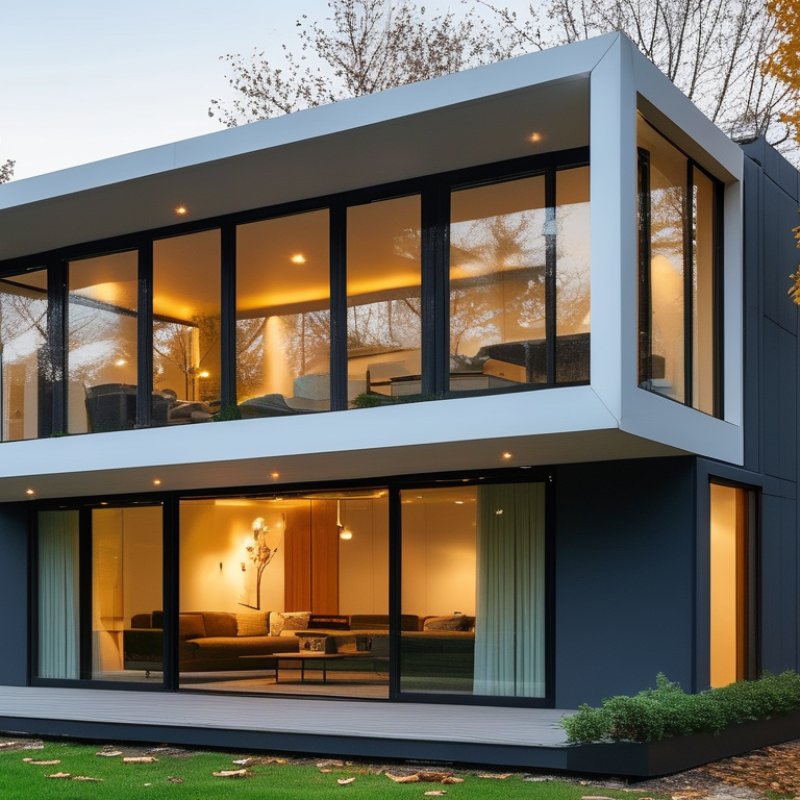
Can Expandable Houses Be Customized to Fit Your Needs?

Understanding Expandable Houses: Definition and Functionality

Expandable houses are designed to adapt to changing needs over time. They can change in size and layout with minimal effort. This flexibility makes them appealing to families, professionals, and anyone seeking a dynamic living space. Users can adjust room sizes or add new areas as their requirements evolve. For example, a growing family might need more bedrooms or a dedicated workspace.

The functionality of expandable houses goes beyond mere spatial adjustment. Many incorporate innovative construction techniques. Some use modular designs that allow for quick assembly and disassembly. This type of construction often involves sustainable materials, making it easier to maintain an eco-friendly lifestyle. However, not all expandable houses are built with the same quality or efficiency. Buyers must do thorough research to find reliable builders and designs.

Customization is key. Homeowners can choose layouts, colors, and finishes that reflect their personal style. Yet, challenges exist. Space planning can become complicated, and homeowners need to consider future expansions carefully. Sometimes, local regulations impose limitations on what can be built or modified. Prospective owners should weigh these factors to ensure their expandable house truly meets their long-term needs.

Understanding Expandable Houses: Features and Customization Options

This chart illustrates the key features and customization options of expandable houses. Each feature is rated on a scale from 1 to 5, showcasing the potential benefits these innovative structures offer to meet individual needs.

Key Features of Expandable Houses: Customization Options and Design

Expandable houses are designed with flexibility in mind. These structures can grow or shrink based on your needs. One key feature is modular construction. This allows for easy additions, such as extra rooms or storage spaces. You can personalize the layout and functionality to fit your lifestyle.

Customization options are abundant. Choose from various materials, colors, and layouts. You can select energy-efficient windows or sustainable materials. Additionally, interior designs can reflect personal taste. This might include open spaces for gatherings or cozy corners for solitude. Yet, while customization is appealing, it can introduce complexity in planning and budgeting.

Designing an expandable house often requires careful thought. Not every design will suit every future need. There could be limitations based on local regulations or zoning laws. Reflecting on your long-term goals is crucial. Finally, while aspirations for customization can be inspiring, they need to balance practicality and feasibility.

Market Trends: The Growing Demand for Expandable Housing Solutions

The demand for expandable housing solutions is on the rise. More people seek flexible living options that adapt to their changing lifestyles. This trend reflects a shift in how we view space. Compact homes provide functionality while allowing room for growth. The market is responding, offering a variety of designs that meet diverse needs.

People are looking for customization. Builders and architects must understand client requirements. Each home must reflect individual tastes and needs. Whether it’s more rooms, a home office, or open living areas, choices are essential. Expectation for durability and scalability is high. Homeowners desire not just a house, but a responsive living environment.

Consider these factors. Assess your current needs and future plans carefully. Think about practical uses for every area. Engage professionals who specialize in expandable designs. They can offer insights into materials and layouts. Explore sustainable options that complement your vision without excess waste. A well-planned expandable home can reduce costs and increase satisfaction.

Case Studies: Successful Customizable Expandable House Projects

Customizable expandable houses are becoming increasingly popular. These homes can grow and adapt based on the owner's needs. Several successful projects showcase innovative designs that allow for seamless expansion. One remarkable case involved a family who transformed a small unit into a spacious home. They added bedrooms and a home office, all achieved within a limited budget. It was a game changer for their living experience.

Another inspiring example is a community project where multiple expandable homes were built. Residents could choose various layouts and designs. This flexibility fostered creativity and allowed families to personalize their spaces. However, challenges arose. Not every homeowner was satisfied with the final product. Some faced issues with plumbing and structural integrity during expansion. They learned the importance of thorough planning and professional advice.

These case studies highlight potential and pitfalls. Customization allows for personalization but can also lead to complications. As this concept evolves, builders are urged to prioritize quality. They must ensure that expandable designs meet safety standards. The balance between flexibility and reliability remains a critical aspect to consider. Ultimately, expandable houses offer hope for future housing solutions, even with room for improvement.

Can Expandable Houses Be Customized to Fit Your Needs?

Project Name Location Size (sq ft) Customization Features Completion Year
Eco-Friendly Design California, USA 800 Solar Panels, Smart Home Technology 2021
Compact Living Tokyo, Japan 600 Foldable Furniture, Expandable Walls 2019
Urban Retreat Berlin, Germany 750 Garden Expansion, Modular Rooms 2020
Family Friendly Toronto, Canada 900 Child Safety Features, Flexible Rooms 2022
Vacation Home Sydney, Australia 700 Expandable Deck, Sustainable Materials 2023

Sustainability and Efficiency: Environmental Benefits of Expandable Homes

Expandable homes have gained attention for their potential environmental benefits. These homes adapt to the changing needs of families while minimizing their carbon footprints. According to the American Institute of Architects, homes account for nearly 30% of the nation’s energy consumption. Expandable homes address this issue through efficient designs and materials.

By incorporating sustainable materials, such as recycled steel and reclaimed wood, these homes reduce waste. A report from the U.S. Green Building Council indicates that green building practices can lower energy consumption by 30% to 50%. When made to expand, these homes eliminate the need for new construction, lowering resource usage. Furthermore, they can be designed to utilize passive solar heating and cooling techniques, enhancing energy efficiency.

However, there are ongoing challenges. The initial costs can be higher due to unique designs and eco-friendly materials. Homeowners might face uncertainties regarding long-term durability. In the evolving market of expandable homes, continuous improvement and innovation are vital. Understanding these complexities will help ensure that these homes fully meet sustainability goals.

FAQS

: What are expandable houses?

: Expandable houses adjust in size and layout over time. They cater to changing needs.

How does functionality enhance these houses?

They offer innovative construction techniques. Some use modular designs for easy assembly and disassembly.

Why are sustainable materials important?

Sustainable materials help maintain an eco-friendly lifestyle. Many expandable houses emphasize this aspect.

What customization options are available?

Homeowners can select layouts, colors, and finishes. This reflects their personal style effectively.

What challenges come with customization?

Space planning can be complicated, and regulations may limit building or modification options.

Can expandable houses meet long-term needs?

They can, but homeowners must weigh future expansions carefully. Thorough planning is crucial.

Are there examples of successful expandable house projects?

Yes, some families transformed small units into spacious homes. They met their needs within budget.

What are common issues faced by expandable house owners?

Some experienced problems with plumbing and structural integrity. This highlights the need for professional advice.

How can builders improve expandable house quality?

Builders should prioritize quality and safety standards in their designs. Balancing flexibility and reliability is essential.

Is there potential for more innovative expandable house designs?

Yes, as the concept evolves, opportunities for creativity and personalization are increasing.

Conclusion

Expandable houses represent a versatile housing solution that can be tailored to meet individual needs, raising the question, "can expandable houses be customized?" These innovative homes are designed to adapt in size and functionality, providing various customization options ranging from layout to interior design. As the demand for adaptable living spaces grows, more homeowners are exploring the potential of expandable houses to fit their unique lifestyles.

In recent years, successful case studies have demonstrated the practicality and appeal of customizable expandable homes, highlighting their ability to efficiently meet diverse requirements. Furthermore, these homes often come with sustainability advantages, such as reduced environmental impact and energy efficiency. As the market trends show an increasing interest in flexible housing solutions, expandable houses are becoming an attractive choice for those looking to create a personalized living space that evolves with their needs.

Sophia

Sophia

Sophia is a dedicated marketing professional with an exceptional depth of knowledge about her company's products and services. With a keen understanding of market trends and customer needs, she crafts insightful blog posts that not only inform but also engage readers, enriching the company’s online......