Expandable houses have gained popularity for their versatility and efficiency. As housing demands increase, understanding what materials are used in expandable houses becomes crucial. Experts emphasize that selecting the right materials directly impacts sustainability and comfort. Dr. Sarah Thompson, a material science expert, notes, "The right choice in materials can determine the longevity and adaptability of expandable homes."
Recent industry reports reveal that innovative materials like lightweight steel, engineered wood, and eco-friendly composites are preferred. These materials ensure durability while maintaining flexibility for design modifications. Moreover, a study conducted by the Housing Sustainability Institute found that homes built with sustainable materials reduce energy consumption by up to 30%.
However, not all expandable houses achieve the same effectiveness. Some designs fail to optimize material usage, leading to structural weaknesses. Industry professionals are continually revisiting material choices to improve performance. As we delve deeper into this topic, a critical evaluation of material selection will provide insights into the future of expandable housing.
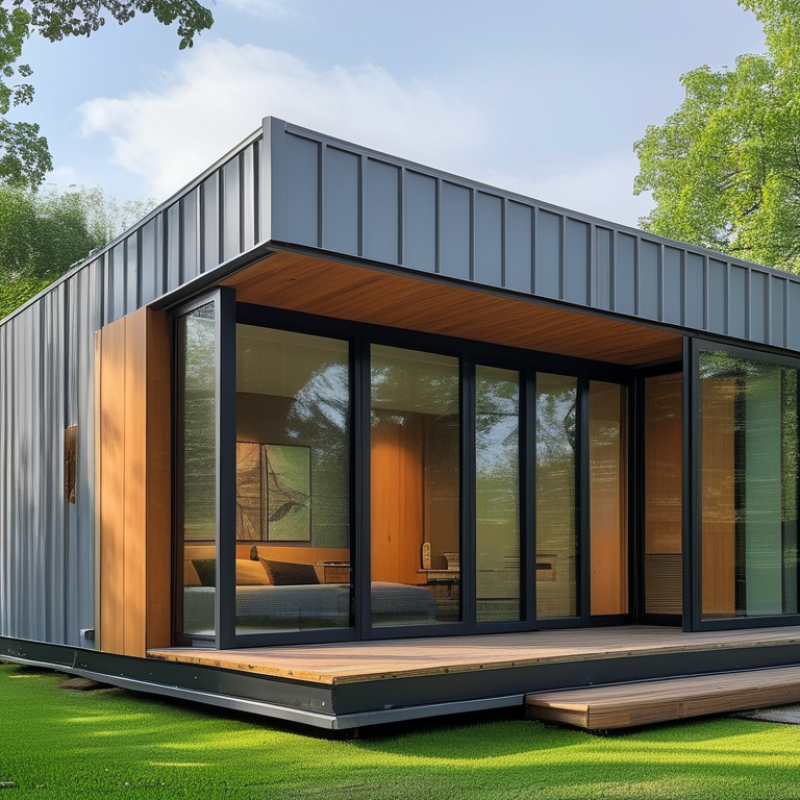
When selecting materials for expandable homes, durability is paramount. Materials must withstand various weather conditions. For example, wood offers warmth but requires regular maintenance to prevent decay. Steel, on the other hand, provides strength but can be prone to corrosion without proper coatings. Each material has trade-offs that homeowners must consider carefully.
Weight is another crucial factor. Lighter materials like aluminum are easier to manipulate but may lack the insulation properties of heavier options. Insulation plays a significant role in energy efficiency. Utilizing materials that offer good thermal resistance can lower energy bills. It's important to evaluate the balance between weight, cost, and efficiency.
Aesthetic appeal also matters. Some materials can provide modern or rustic looks, influencing a homeowner's choice. Yet, the emphasis on aesthetics shouldn't overshadow structural integrity. Striking a balance between form and function can be challenging but is essential. It’s vital to consult with experts to find the right mix for specific needs. Each decision impacts not just initial costs, but longevity and comfort as well.
When considering materials for expandable houses, flexibility is key.
Wood remains a popular choice due to its adaptability and natural aesthetics. It’s lightweight and easy to work with, but it may require maintenance to prevent decay.
For a more durable option, steel is often used.
It provides strength and stability, making it suitable for larger structures. However, steel’s cost can be a drawback for some builders.
Concrete is another solid choice, offering excellent insulation and fire resistance. It can be molded into various shapes. Yet, its weight can complicate the expansion process.
Additionally, innovative materials like bamboo have gained attention.
Bamboo is sustainable and strong but may not be readily available in all regions. Each material has pros and cons that should be carefully assessed.
The choice ultimately depends on the project’s specific needs. Climate, budget, and design preferences will influence material selection.
It's important to explore various options before making a decision. Balancing durability with aesthetic appeal can lead to more satisfying results in expandable house construction. Reflecting on these factors is essential to ensure a successful build.
When selecting materials for expandable houses, understanding their advantages and disadvantages is crucial. Wood is a popular choice because it is lightweight and easy to work with. It offers good insulation and aesthetic appeal. However, wood can be susceptible to pests and moisture, which may lead to long-term issues. Regular maintenance is essential to preserve its integrity.
On the other hand, metal provides strength and durability. It is resistant to fire and pests, making it a reliable choice. However, metal can have poor insulation properties, leading to temperature fluctuations inside the home. Additionally, its initial cost can be higher compared to other materials.
Another alternative is concrete. It offers great strength and stability. Concrete can withstand harsh weather conditions and requires minimal upkeep. Yet, it can be heavy and challenging to transport. The curing process takes time, causing potential delays in construction. These nuances highlight the importance of material selection in expandable house design.
In the quest for sustainable housing solutions, innovative materials play a crucial role. Many experts emphasize the importance of utilizing eco-friendly resources for expandable houses. According to a recent report by the Global Sustainability Institute, up to 40% of global carbon emissions come from the construction sector. This statistic highlights the urgency for change.
Biodegradable materials like mycelium and hempcrete are gaining traction. Mycelium, the root structure of mushrooms, serves as a natural insulator. Researchers from the University of California found that this material reduces energy consumption in homes by 30%. Hempcrete, a blend of hemp fibers and lime, offers excellent insulation and carbon sequestration abilities. It shows promise for reducing the overall carbon footprint of new builds.
Reflecting on the limitations, these materials may not offer the same structural rigidity as traditional concrete or steel. Some developers express concerns about fire resistance and longevity. Addressing these challenges is essential for broader adoption. Furthermore, public awareness is still limited. While these materials provide great potential, they face hurdles in acceptance and regulatory approval. Exploring these innovative solutions requires both optimistic vision and critical reflection.
The future of expandable houses hinges on the choice of materials. Innovations are emerging to enhance durability and functionality. Lightweight composites and recycled materials are gaining traction. These options are not only eco-friendly but also offer greater flexibility. Builders can adapt structures easily to meet changing needs.
Sustainability plays a critical role in material selection. Innovative solutions, such as bamboo and mycelium, are promising. They provide strength without compromising the environment. However, durability remains a concern for many alternative materials. Testing their long-term performance is essential. A balance between sustainability and reliability must be achieved for full acceptance.
Smart materials are also worth attention. They can adapt to environmental changes, improving energy efficiency. Imagine walls that regulate temperature on their own. This kind of technology is still in early stages. It must overcome several challenges before widespread adoption. Nonetheless, the potential impact on living conditions is significant. These advancements can reshape our understanding of space.
: Durability is crucial as materials must withstand various weather conditions to ensure the home's longevity.
Wood is lightweight, easy to work with, and offers good insulation, but it requires regular maintenance to prevent decay.
Metal provides strength and fire resistance but can have poor insulation, leading to temperature instability inside the home.
Lighter materials like aluminum are easier to handle, but heavier ones usually provide better insulation and energy efficiency.
Yes, biodegradable materials like mycelium and hempcrete are gaining attention for their insulation and eco-friendly properties.
These materials may lack structural rigidity and raise concerns about fire resistance and longevity, affecting broader acceptance.
Materials with good thermal resistance help lower energy bills and improve overall comfort in expanded homes.
Yes, but it shouldn't come at the cost of structural integrity; finding a balance is often challenging.
Limited awareness can hinder acceptance and regulatory approval, slowing down the transition to eco-friendly construction solutions.
Consulting with experts helps in navigating trade-offs between cost, longevity, and comfort for expandable homes.
The article "Best Materials for Expandable Houses: What to Use?" delves into crucial factors for selecting appropriate materials in the construction of expandable homes. It outlines various types of materials suitable for this purpose, including timber, steel, and alternative options like recycled materials. Each material is assessed for its advantages and disadvantages, helping builders make informed decisions.
Furthermore, the article highlights innovative materials that promote sustainability in expandable housing, showcasing trends that are likely to shape the future of construction. Readers will gain insights into what materials are used in expandable houses and how these materials can enhance both functionality and environmental impact, ensuring a balance between practicality and eco-friendliness in modern housing solutions.

Cencal Home