Are Expandable Houses Worth Buying for Your Future Needs?

Time:2026-07-03 Author:Henry
0%

As the need for flexible living spaces grows, many are asking, "are expandable houses worth buying?" These innovative homes offer adaptable designs that can grow with your family. Imagine a house that can expand when your needs increase. This concept appeals to those looking to future-proof their investments.

Expandable houses provide a unique solution to housing challenges. They can accommodate changing family sizes, lifestyle shifts, or even work-from-home needs. However, the decision is not straightforward. Factors like cost, resale value, and zoning laws can complicate matters.

Critics argue expandable houses may not retain value as traditional homes do. They wonder if potential buyers will embrace this trend. It's essential to evaluate your long-term goals before making a commitment. Are these homes the future or just a passing trend? The answer may depend on your vision of homeownership.
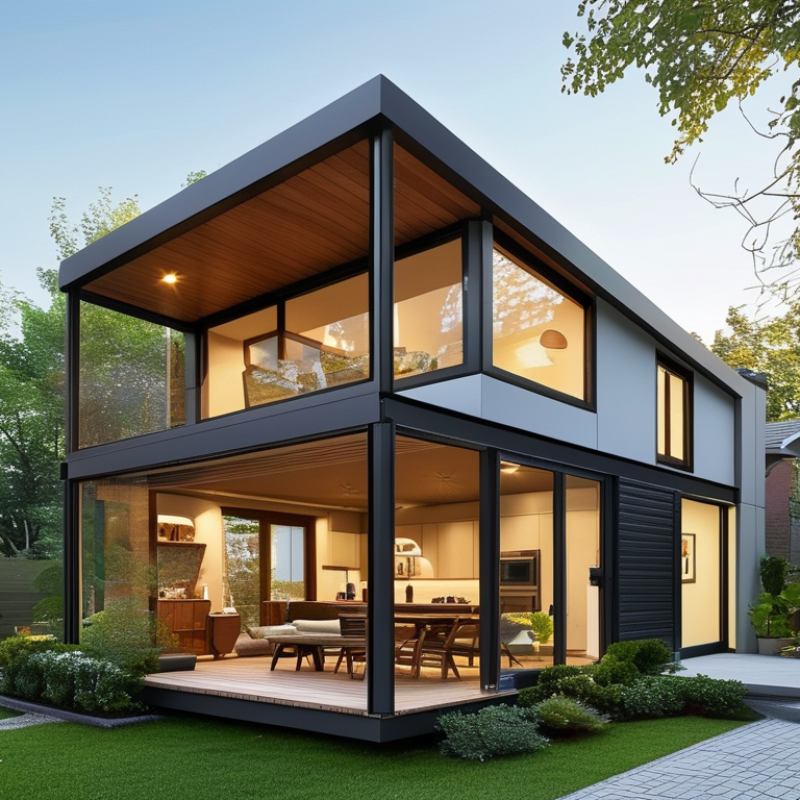
Are Expandable Houses Worth Buying for Your Future Needs?

The Concept of Expandable Houses: An Overview of Modular Living

Expandable houses represent an innovative approach to modular living. These homes provide flexibility for future needs. As families grow or change, so too can their living space. The design allows for easy expansion without significant renovations. Modular units can be added as required, adapting to personal circumstances.

Consider the long-term benefits of choosing an expandable home. They can create significant savings on home improvement costs. Space can be added incrementally to match your budget and requirements. This adaptability promotes sustainability by minimizing waste. However, not every expandable design is practical for all families.

Tips for selecting an expandable house: First, assess your current and future needs carefully. Think about how your family might grow or change. Look into the quality of materials used in construction. Investing in durable materials can save money in the long run. Always check local zoning laws to ensure compliance with expansion plans. Consult with modular living experts to get tailored advice and insights.

Are Expandable Houses Worth Buying for Your Future Needs?

Feature Description Pros Cons
Modular Design Constructed from pre-fabricated modules that can be expanded. Flexible living space, customizable design. Initial higher cost, may require more planning.
Sustainability Often built with eco-friendly materials. Lower environmental impact, energy-efficient options. Limited availability of materials in some regions.
Cost-Effectiveness Can be more affordable than traditional housing in the long term. Potential lower maintenance costs. Higher upfront investment may deter some buyers.
Expansion Potential Ability to add more modules as needs change. Adapts to family growth or lifestyle changes. May face zoning restrictions in some areas.
Mobility Options Some models designed for easy relocation. Good for those needing flexible living arrangements. Logistics of moving can be complex and costly.

Market Trends: Growth of Expandable Housing in Real Estate Industry

The real estate market is witnessing a notable shift towards expandable housing. According to a recent report by the National Association of Home Builders, the demand for modular and expandable homes has increased by 40% over the past five years. This trend highlights a growing preference for flexibility and sustainability. Many buyers are drawn to these homes due to their ability to adapt to changing family needs. This adaptability can be particularly appealing to younger generations seeking long-term housing solutions.

Furthermore, a study from the Urban Land Institute indicates that expandable homes can reduce construction waste by up to 30%. This is increasingly important as the environmental impact of building practices comes under scrutiny. However, potential buyers should be aware of the challenges associated with expandable homes. Some designs may require additional permitting and could face zoning restrictions. It's vital to carefully consider the local regulations and community perceptions before making a decision. While expandable homes offer innovative solutions, weighing the pros and cons remains crucial for future homeowners.

Cost-Benefit Analysis: Initial Investment vs. Long-term Savings

When considering expandable houses, a thorough cost-benefit analysis is essential. The initial investment might seem steep. However, this style of housing can lead to significant long-term savings. Expandable houses adapt to your changing family size and needs. Rather than moving, you invest in flexibility.

The costs associated with traditional homes include maintenance, property taxes, and renovation fees. These can accumulate over time. By contrast, expandable houses limit these expenses. They provide room for growth without major financial burdens. The construction materials are often energy-efficient, leading to lower utility bills. Environmentally friendly designs can further enhance savings.

Despite the benefits, some may question the durability of expandable structures. Are they built to last? Potential buyers should research materials and construction standards. Consider the resale value; will it hold? These uncertainties may make some hesitate. Careful reflection on personal needs and goals is crucial before making such an investment.

Cost-Benefit Analysis of Expandable Houses

This chart outlines the initial investment and potential long-term savings associated with expandable houses. The initial investment is significant, but the maintenance costs, energy savings, and potential increases in property value may offer considerable benefits over time.

Sustainability Aspects: Environmental Impact and Resource Efficiency

Expandable houses represent a forward-thinking solution in the realm of sustainable living. These homes can grow in size as family needs evolve, reducing the need for new construction. The U.S. Department of Energy indicates that the average single-family home emits approximately 8.1 metric tons of CO2 annually. By investing in expandable houses, homeowners can significantly mitigate their carbon footprint over time.

Resource efficiency is a crucial aspect of expandable homes. According to the World Green Building Council, buildings account for 39% of global energy-related carbon emissions. Modular construction techniques used in expandable houses typically result in 30% less waste compared to traditional methods. Additionally, these homes often utilize renewable materials, which can further lessen their environmental impact.

However, the upfront costs can be a barrier for some. Balancing immediate expenses with long-term sustainability benefits is a challenge that potential buyers must navigate.

While expandable houses show promise, they are not a one-size-fits-all solution. Factors like local regulations and land use restrictions can complicate implementation. Homeowners need to assess their situation realistically. The prospect of future expansion is alluring, yet it requires careful planning and consideration of ongoing maintenance needs. Ultimately, the decision to invest must align with individual lifestyles and environmental goals.

Future Trends: Technology Innovations in Expandable Housing Design

Expandable houses offer innovative solutions for future living needs. As our lifestyles change, these homes adapt. Advanced materials and construction techniques promise durability and efficiency. People want homes that grow with them. This trend reflects a growing awareness of sustainable living.

Technology is transforming expandable housing design. Modular components allow for easy customization. Smart home features enhance convenience and security. Solar panels and energy-efficient systems reduce environmental impact. Homeowners appreciate the combination of flexibility and sustainability. However, some may underestimate the importance of permits and zoning regulations.

Tips for considering an expandable home:

  • Examine local regulations before committing.
  • Understand the long-term costs of maintenance and upgrades.
  • Research the technology used in construction to ensure reliability.
  • Keep in mind that not all designs fit every lifestyle. Reflection on personal needs is crucial for making the right choice.

FAQS

: What are expandable houses?

: Expandable houses are modular homes that allow for easy adjustments in living space. They adapt to family needs.

What are the benefits of choosing an expandable home?

They can save on renovation costs and promote sustainability by reducing waste. Adaptable to budgets and requirements.

How can I determine my needs for an expandable house?

Assess your current and future family size. Consider potential changes and growth.

Are expandable homes environmentally friendly?

Yes, they can reduce construction waste significantly, promoting sustainability in housing.

What should I check before buying an expandable house?

Look into local zoning laws and permitting requirements to ensure compliance with expansion plans.

What factors affect the cost of expandable houses?

Initial investment and maintenance costs differ. Energy-efficient materials often lead to lower utility bills.

How do expandable houses compare to traditional homes?

Expandable homes offer flexibility and can reduce ongoing costs, but durability concerns may arise for some buyers.

How can I ensure lasting quality in an expandable house?

Research the materials and construction standards. Investing in quality can save money long-term.

What challenges come with expandable homes?

Some designs may face zoning restrictions or require additional permits, complicating their use.

Is it worth investing in an expandable home?

Yes, but reflect on personal needs and potential uncertainties. Weigh the pros and cons carefully.

Conclusion

Expandable houses represent a flexible solution in modular living, catering to evolving housing needs. As the real estate market increasingly embraces this innovative concept, potential buyers must consider whether expandable houses are worth buying. A careful cost-benefit analysis reveals that while the initial investment may be higher compared to traditional homes, the long-term savings in energy efficiency and reduced maintenance costs can make them a financially sound choice.

Sustainability also plays a significant role in the appeal of expandable housing, as these structures tend to embrace resource-efficient designs that minimize environmental impact. Future innovations in technology are likely to enhance the functionality and appeal of expandable houses even further. In summary, if individuals are looking for a dynamic living space that aligns with both current and future needs, exploring the benefits of expandable houses could prove worthwhile.

Henry

Henry

Henry is a dedicated marketing professional with a profound expertise in the company's offerings. With years of experience in the industry, he possesses an impressive understanding of the market dynamics and consumer behaviors that drive success. Henry is committed to sharing his insights through......